

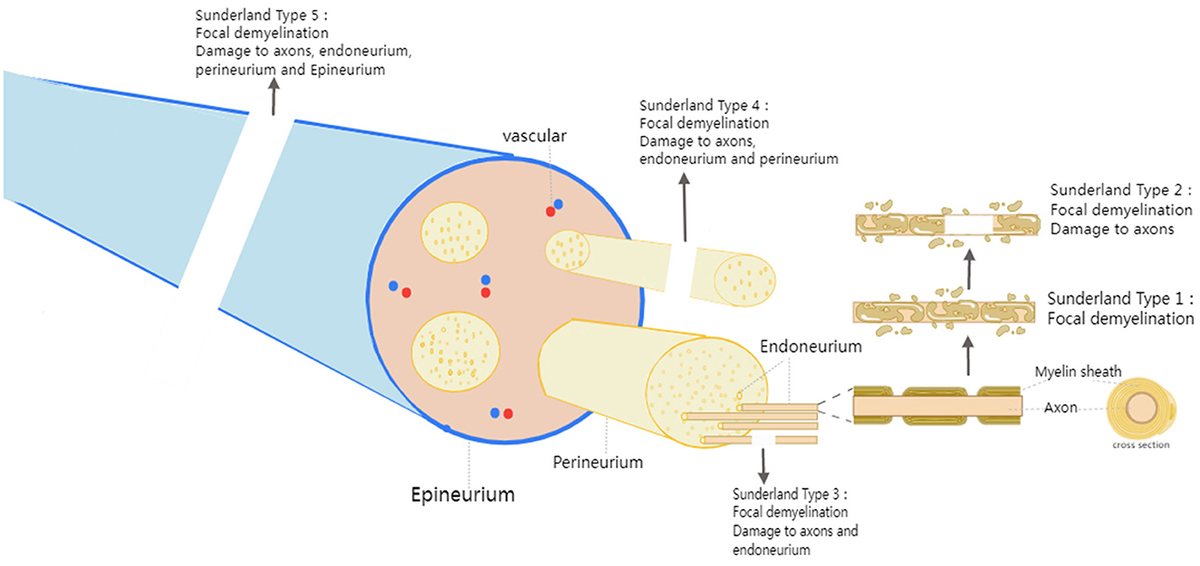
Nerve damage can lead to chronic pain, numbness, tingling, and reduced mobility, among other issues. Traditionally, treatments have centered around just managing symptoms rather than repairing the underlying damage, but regenerative medicine is changing this approach by focusing on nerve healing and restoration to provide long-term relief and functional improvement.
The Challenge of Nerve Repair
Nerve tissue is complex and takes a long time to heal. When a nerve is damaged, the axon has to be regenerated, the protective myelin sheath restored, and the nerve reconnected with the correct target – a process that requires precise cellular signaling, healthy blood flow, and a balanced immune response. Unfortunately, in chronic neuropathy, this process is often disrupted by inflammation, poor circulation, and ongoing cellular stress. As a result, the body remains stuck in a cycle of damage rather than switching to a state of recovery.
Activating the Body’s Natural Healing Signals
Regenerative medicine targets the body’s natural repair mechanisms, aiming to stimulate them and promote healing at a cellular level rather than simply blocking pain signals. Regenerative therapies do this through:
Growth Factor Release
One way regenerative medicine supports nerve repair is through the release of growth factors, which act as signaling molecules that promote cell proliferation (growth and division), differentiation, and survival. Growth factors help:
● Stimulate axon regrowth
● Promote myelin repair
● Encourage tissue regeneration
● Support new blood vessel formation (angiogenesis)
Therapies like platelet-rich plasma (PRP) deliver concentrated growth factors directly to damaged areas and strengthen the body’s abilities to repair nerve tissue.
Enhancing Microcirculation
Healthy nerves require a steady supply of oxygen and nutrients delivered through small blood vessels, so many regenerative treatments aim to improve microcirculation, especially in areas affected by neuropathy. Improved blood flow helps deliver essential oxygen and nutrients to damaged nerves, remove waste from cells, and support ongoing tissue repair. By boosting circulation, regenerative medicine creates an environment that is more conducive to nerve healing.
Managing Inflammation
Chronic inflammation is one of the greatest obstacles for nerve repair. While temporary inflammation is actually part of the healing process, prolonged inflammation damages tissue and disrupts cellular signaling. Regenerative therapies work to regulate inflammatory responses, allowing the body to shift from a state of damage to one of repair. Maintaining a balance is critical for activating and sustaining nerve regeneration.
Supporting Cellular Regeneration
Advanced regenerative approaches, including stem cell-based therapies, use cells to support nerve tissue repair. These treatments may:
● Promote regeneration of nerve cells
● Encourage repair of damaged areas
● Release compounds that enhance healing
By supporting cellular activity, regenerative medicine strengthens the body’s natural ability to rebuild damaged nerve pathways.
A Shift Toward Functional Recovery
The key difference between traditional methods and regenerative medicine is the focus on healing nerves and restoring function instead of just alleviating symptoms. By targeting growth factors, circulation, inflammation, and cellular repair, these therapies strive to reactivate the body’s processes that are responsible for healing damage. While results vary depending on the cause and severity of nerve damage as well as overall health, regenerative medicine offers a hopeful alte