

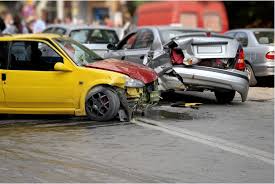
In Los Angeles, heavy traffic is simply part of everyday life, with crowded freeways, busy intersections, and long commutes increasing the likelihood of serious car accidents. When multiple vehicles are involved in a crash, the situation quickly becomes more complicated than a typical two-car accident, leaving drivers confused about who is responsible and how compensation is determined. Multi-vehicle collisions often involve multiple drivers, conflicting accounts, and multiple insurance companies, making liability determination a complex legal process.
Understanding who may be held responsible in these accidents is important for anyone seeking compensation for injuries, vehicle damage, and other losses. Because these cases often involve detailed investigations and shared fault among multiple parties, working with a car accident lawyer in Los Angeles can help injured individuals understand their rights, determine liability, and pursue fair compensation after a complicated multi-vehicle crash.
Understanding Multi-Vehicle Collisions
Multi-vehicle collisions involve two or more vehicles. These sometimes happen on heavily travelled highways or at corners where traffic back-ups are common. Chain-reaction crashes—when one vehicle collides with another, drawing others into the crash—are not uncommon. With multiple drivers and vehicles, determining liability can be tricky.
Common Causes of Multi-Vehicle Accidents
One of the leading causes is driver error. Many of these situations involve distracted driving, speeding, and tailgating. Bad weather, such as heavy rain or fog, can limit visibility and cause crashes. This can also be attributed to road hazards such as debris or construction zones. However, when multiple factors combine, determining the root cause becomes more complicated.
How Liability Is Determined
Investigators analyze data, including accident reports, witness testimonies, and evidence at the scene. Police reconstruct the timetable of what happened. These findings are used by insurance adjusters to determine fault. The actions of each driver leading up to the impact are studied carefully. At times, multiple parties are liable for the crash.
The Role of Comparative Fault
Comparative fault rules may apply in such cases. A percentage of responsibility for each party involved is assessed and assigned. They may pay a reduced amount of compensation, depending on the amount of fault they had. If a driver is discovered to be thirty per cent liable, for example, any damages recovered are proportionately adjusted. This method promotes transparency and equal settlements.
Chain Reaction Accidents
A chain-reaction crash usually starts with a single car-to-car collision. Essentially, a series of dominoes — one car colliding into another. This makes it hard to tell who originated the chain. Investigators will attempt to ascertain the starting trigger. In some cases, the chain of impacts can have multiple drivers. Liability can be shared by multiple parties for their respective actions.
Rear-End Collisions and Liability
In a multi-car pileup, rear-end crashes are generally more common. A rear-end collision is one in which the driver hits another vehicle from the rear. But that’s not the way it always goes, though. If one car strikes another, the driver who struck the second vehicle may be largely at fault. Each situation needs to be considered in its own context.
Proving Liability After a Crash
When you have been in an accident, you need proof. Claims can be supported with photographs of the scene, damage, and road conditions. Witnesses may offer valuable perspectives. Police reports usually include statements and diagrams to explain how these events occurred. Prompt documentation helps assess and evaluate responsibility fairly.
Insurance and Compensation
Insurance companies play an important role in settling claims. They will assess all available information to establish liability and coverage. Disputes between insurers over who is to blame arise from time to time. If we cannot make a deal afterwards, we will take legal action. Firstly, policyholders should speak plainly with their providers and know what their coverage covers.
Legal Assistance in Complicated Cases
When liability is still uncertain, legal professionals can help. They examine evidence, seek expert opinions, and campaign for justice. However, having representation may be even more useful in situations involving catastrophic injuries or multiple involved parties. These seasoned professionals can walk you through the claims process and ensure your interests are protected.
Conclusion
All parties involved in a multi-vehicle car accident face unique challenges. Who is liable is dependent on a variety of factors, including investigations, traffic laws, and evidence. It is rarely just one party to whom the blame lies. The process allows those impacted by these complicated incidents to seek adequate compensation and resolution.