

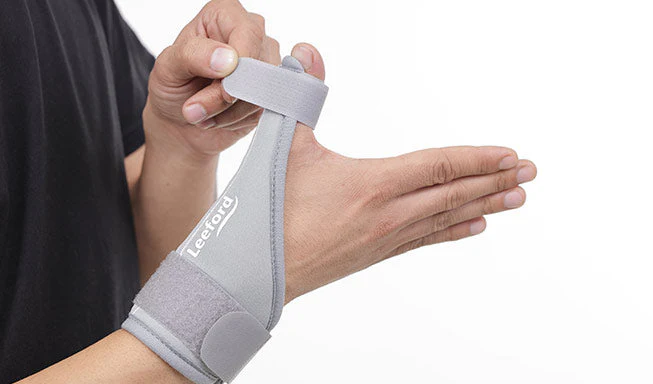
Having pain in your thumb makes everything hard. We use our thumbs for almost everything we do every day. To write, type, or hold a cup, you need a steady thumb. These movements hurt if you have arthritis or an injury. A thumb splint helps by keeping the joint from moving. It gives you the support you need to get better. A thumb spica splint can help you deal with pain while you do your daily tasks. This help makes sure you can still do your daily tasks while your thumb heals.
Knowing how to use it makes it easier to deal with pain.
What is a Thumb Spica Splint?
A thumb spica splint is a special type of brace. It covers the thumb and the wrist. It looks like a long tube for your thumb.
The main goal is to stop the thumb from moving too much. It holds the lower joints in a safe position. This allows the tendons and ligaments to rest. Most of these braces use hard stays or metal bars. These bars keep the thumb straight. The rest of the brace is often made of soft cloth or foam. You can adjust the tightness with straps. This ensures the brace stays in place during the day.
Why Do You Need Support?
The thumb is a very mobile joint. It can move in many directions. This mobility makes it prone to wear and tear.
Constant use leads to inflammation. Inflammation causes sharp pain and swelling. A thumb splint acts like a protective shield. It takes the pressure off the painful area. Without a brace, you might keep hurting the joint. This slows down the healing process. Using support helps you get back to your routine faster. It is a simple tool for a big problem.
Common Conditions for Use
Many people use a thumb spica splint for different reasons. Doctors often recommend them for specific issues. Here are some common conditions:
- Arthritis: This causes the cartilage to wear down. It leads to bone rubbing on bone.
- De Quervain’s Tenosynovitis: This is swelling in the tendons near the base of the thumb.
- Ligament Sprains: This occurs after taking a fall or a sudden pull.
- Trigger Thumb: This is when the thumb gets stuck in a bent position.
- Post-Surgery Recovery: Braces protect the area while the skin and bone knit back together.
Benefits of Wearing a Splint
Wearing a thumb splint offers several advantages. Not only is it about stopping movement. It makes you feel safe. You don’t have to worry about sudden pain. Here are the main benefits:
- Pain Reduction: Keeping the joint still stops the pain.
- Faster Healing: Rest is the best medicine for soft tissue injuries.
- Protection: The brace prevents further injury from accidental bumps.
- Alignment: It keeps the bones in the correct position for healing.
- Better Sleep: It keeps you from bending your thumb as you sleep.
Choosing the Right Material
The material of your thumb splint matters for comfort. You will likely wear it for many hours. Some materials are better for certain activities.
Neoprene is a common choice. It is stretchy and holds heat. Heat can help soothe aching joints. However, neoprene can make your skin sweaty. Breathable mesh is another option. It allows air to reach your skin. This is better for long-term wear during the summer. Some splints are made of hard plastic. These offer the most support but are less flexible. Consider your daily environment when picking a material.
Maintenance and Hygiene
Your thumb splint will get dirty over time. Skin oils and sweat build up in the fabric. This can cause the brace to smell. It can also irritate your skin.
Most fabric braces are hand-washable. Use mild soap and cool water. Do not put them in a dryer. The heat can damage the elastic and the plastic parts. Let the brace air dry completely before wearing it again. If your brace has removable metal stays, take them out before washing. Keeping it clean helps the brace last longer.
When to Wear Your Splint?
Your doctor will tell you when to wear the thumb spica splint. Some people need it all day. Others only need it during activities that hurt.
You might also need to wear it at night. Nightwear prevents you from tucking your hand under your pillow. This common habit puts stress on the thumb. If the pain is severe, constant wear is often best. As the pain lessens, you can start wearing it less often. Always follow the schedule provided by a professional. Do not stop wearing it too early.
Exercises to Do with a Splint
Moving your other fingers is important. You do not want your whole hand to get stiff. While the thumb is still, the other fingers should stay active.
Try making a gentle fist with your four fingers. You can also spread your fingers wide and then close them. These movements keep the blood flowing. They also maintain the strength in your grip. Once your thumb starts to heal, your doctor might suggest light thumb stretches. Never force a movement that causes sharp pain. Slow and steady progress is the goal.
When to See a Doctor?
A thumb splint is a great tool, but it is not a cure for everything. You should monitor your progress. If the pain gets worse, see a doctor.
If you feel numbness or tingling, the brace might be pressing on a nerve. This is a sign to stop using it and seek advice. Severe swelling that does not go down is also a concern. A professional can check if you have a fracture or a tear. They can also ensure you are using the correct type of thumb spica splint. Do not ignore signs of increased discomfort.
Conclusion
A thumb splint is a valuable tool for hand health. It provides the necessary rest for injured joints. You might use a thumb spica splint or a basic wrap. Both types work to give you good support. Keeping your thumb still stops more damage from happening. It lets you do your chores with much less pain. Always pick a brace that fits your hand size well. Look for materials that let your skin breathe easily.
Keep your brace clean and look after your skin daily. It is best to follow your doctor’s advice for the best results.
Consistent use and proper care make the recovery process much smoother. Be patient with yourself as you adapt to the brace.
