

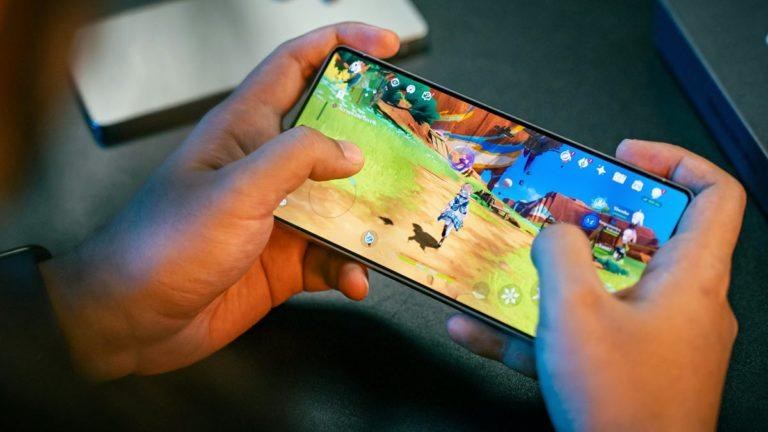
There was a time when a proper game of rummy or ludo meant clearing the dining table, finding the board, and gathering everyone in one room. Today, the whole experience fits in your pocket. Rummy Ludo 77 brings both classic games together on the small screen, and for most players the phone is no longer the compromise option — it is the main way they play. Whether you have five minutes in a queue or an hour on the sofa, it meets you exactly where you are, with no forced downloads and no learning curve before your first game.
A Mobile-First Design That Feels Natural
The first thing you notice when you open the game on a phone is that nothing feels squeezed or shrunk down from a desktop layout. The board fills the screen, the cards are large enough to read at a glance, and the buttons sit exactly where your thumbs already rest. In a game where a single tap can discard the wrong card or move the wrong token, comfortable spacing is the difference between a relaxing match and a frustrating one. The menus are short and plain, the lobby loads quickly, and finding an open table takes seconds. Even newcomers settle in fast, because every action — joining a table, picking up a card, rolling the dice — works the way a phone user expects it to work. The board is bright, the animations are smooth, and the sound effects mute in a single tap for quiet moments on public transport. Big touch targets, clear numbers, and a layout that works in portrait orientation mean you rarely have to twist your wrist or zoom in to see what is happening.
App vs Browser: Which Way Should You Play?
One of the most common questions new players ask is whether they need to install an app. The honest answer is that both routes work well, and the right choice depends on how you play. Playing in the browser keeps things simple: you open the site, sign in, and you are at a table within moments, with nothing to install and no storage space used up. It suits players who switch devices or prefer not to add another app to a crowded home screen. Your account travels with you, so a game started on one phone continues on another.
An installed app, on the other hand, has a few quiet advantages for regular players. It launches faster, keeps you signed in, and can remind you about tournaments or a friend's invitation to play. For daily players, having the game one tap away makes spontaneous sessions much more likely. The gameplay itself is the same either way — the same tables, the same opponents, the same rules — so there is no wrong choice. Try the browser first, and if you find yourself coming back daily, consider the app as a convenience upgrade rather than a necessity.
Performance on Real Phones, Not Just Flagships
A game that only runs smoothly on the newest, most expensive handset is not really a mobile game at all. The strength of a well-built mobile game is that it performs on the phones people actually own — mid-range devices a couple of years old, phones with modest storage, handsets that have seen better days. Load times stay short, the board responds instantly to taps, and the game sips battery rather than draining it in a single session. That efficiency matters: a bloated game can turn your phone hot and drain a quarter of its battery in twenty minutes.
Connection quality matters just as much as raw speed. Mobile data can dip in a lift, on a train, or in a rural area, and a good mobile game handles those moments gracefully instead of freezing or dropping you from a table the moment the signal wavers. Games reconnect quickly, turns are protected where possible, and you are rarely punished for a brief network hiccup that was never your fault. Before a longer session, a stable connection, a charged phone, and paused background downloads keep things smooth.
Playing on the Go: Short Sessions, Real Games
Mobile gaming shines in the gaps of the day, and rummy and ludo are unusually well suited to that rhythm. A ludo match can fill a commute; a quick rummy hand can fill a coffee break. Unlike games that demand an hour of unbroken attention, these classics let you dip in and out.
Mobile Tips for a Better Game
A few small habits make a noticeable difference. First, learn the touch controls before anything is on the line: play a few relaxed rounds to discover how discarding, sorting, and moving tokens work on your screen size. Second, turn on notifications selectively — alerts for a friend's challenge are welcome, but a buzz every few minutes will ruin your concentration. Third, keep brightness comfortable and use a stand or grip for longer sessions. Finally, protect your account with a strong password and never share login details with anyone.
Finally, set your own limits and stick to them. The convenience that makes mobile play so appealing is also the reason to play mindfully. Decide in advance how long a session will last, take breaks, and treat the game as entertainment rather than a way to make money. The best mobile sessions are the ones you walk away from feeling refreshed, not drained, and a little structure keeps it that way.
Mobile play has turned two beloved classics into everyday companions, ready whenever you have a spare moment and a phone in your hand. The experience is smooth, the choice between app and browser is yours, and the games themselves lose nothing in the move to the small screen. If you have not tried it yet, pick up your phone and see for yourself at https://rummyludo77.com/ — one quick game is usually all it takes to see why so many players never go back to the tabletop.
