

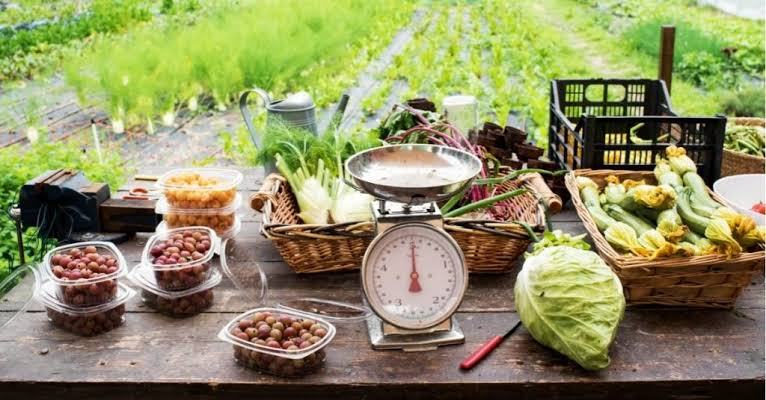
Farm-to-fork dining sounds straightforward: food travels from producers to the restaurant and eventually onto your plate. But the idea goes further than simply putting locally grown vegetables on a menu. It’s about paying closer attention to where ingredients come from, how they’re produced, how far they travel and how chefs use them once they reach the kitchen.
For diners, farm-to-fork restaurants offer a useful way to understand the relationship between agriculture and the food we eat. You may notice more seasonal dishes, changing menus, locally sourced ingredients and stronger relationships between restaurants and farmers, growers, fishermen, butchers and other producers.
The concept also doesn’t have one fixed formula. One restaurant might grow some of its own vegetables, another might buy almost entirely from nearby farms, while another might combine local British produce with ingredients sourced from a particular culinary region.
So, what exactly does farm-to-fork dining mean, and what should you look for when choosing a restaurant that follows this philosophy?
What Does Farm-to-Fork Actually Mean?
At its simplest, farm-to-fork describes a food supply chain with a closer connection between the producer and the restaurant.
Traditional food systems can involve multiple stages between the farm and the final meal. Farm-to-fork dining aims to shorten or strengthen that connection by encouraging restaurants to know more about their suppliers and to source ingredients with greater attention to seasonality, provenance and production methods.
That doesn’t necessarily mean every ingredient comes from the restaurant’s immediate surroundings.
A British restaurant might source vegetables, meat and dairy from farms around the UK while importing specific ingredients that are essential to its cuisine. A Portuguese restaurant, for example, can celebrate Portuguese culinary traditions while using locally sourced British produce.
Santos + Co in Dorchester demonstrates this approach particularly well. The restaurant combines Portuguese culinary heritage with locally sourced British ingredients, while its concept emphasises supporting local producers and reducing its carbon footprint.
That’s an important distinction: farm-to-fork is about creating a more considered relationship with ingredients, rather than following an arbitrary mileage limit.
Why Does Seasonality Matter?
Seasonality is one of the easiest ways for diners to recognise a farm-to-fork approach.
Instead of keeping exactly the same menu throughout the year, restaurants may change dishes according to what’s available from their producers. Certain vegetables, fruits, fish and meats naturally become more prominent at different points in the calendar.
This can make restaurant menus more interesting because the kitchen has to work with what is available rather than treating ingredients as interchangeable year-round commodities.
Restaurant St. Barts in London takes seasonality particularly seriously. Its food and drink offering describes the restaurant as a celebration of seasonal produce from across the British Isles, with menus built around ingredients such as St Brides chicken, Yew Tree Farm hogget, oysters, cockles, clams and locally sourced cheeses.
The result is a style of dining where the menu itself can tell you something about the landscape and the time of year.
Farm-to-Fork Isn’t Just About Vegetables
It’s easy to associate farm-to-fork dining with vegetables, but the philosophy can apply to almost every part of a meal.
Meat can be sourced from named farms or trusted producers. Fish can be selected according to what’s available from responsible fisheries. Dairy products can come from specific farms or regional producers. Even bread, cheese, eggs and drinks can have a clear story behind them.
Restaurant St. Barts is a strong example of this broader approach. Its menu identifies specific producers and ingredients, including Yew Tree Farm hogget and Mangalitza pork, alongside seafood and British cheeses.
That level of detail gives diners something valuable: context. Instead of simply ordering “lamb,” for example, you can sometimes learn more about where that lamb was raised and why the chef chose that producer.
What Does Farm-to-Fork Taste Like?
There isn’t a single “farm-to-fork flavour.”
The cooking style depends on the restaurant, its location and the ingredients available. What you may notice instead is a stronger emphasis on the natural qualities of individual ingredients.
Fresh vegetables might be treated simply rather than covered in heavy sauces. High-quality meat may be prepared with minimal interference. Seafood might be paired with seasonal vegetables and carefully chosen accompaniments.
At Santos + Co, for example, Portuguese culinary traditions meet fresh British produce. The restaurant’s menu includes seafood, grilled meats and small plates designed for sharing, while the kitchen combines Portuguese flavours with locally sourced ingredients.
This is one of the appealing things about farm-to-fork dining: the sourcing philosophy doesn’t dictate one particular cuisine.
Fuel Road House: Local Dining Doesn’t Have to Be Formal
Farm-to-fork ideas are sometimes associated with tasting menus and fine dining, but a restaurant doesn’t need white tablecloths to pay attention to its ingredients.
Fuel Road House is a useful reminder of that. Its menu focuses on approachable food such as burgers, halloumi, chicken dishes, fries and other casual options.
That makes it a useful example when thinking about the broader farm-to-fork conversation. Provenance and thoughtful sourcing aren’t ideas that belong exclusively to formal restaurants. They can also exist within relaxed, casual dining environments where the food is designed to be straightforward and accessible.
The important question isn’t whether a restaurant looks rustic or sophisticated. It’s whether the people behind the menu understand where their ingredients come from and make deliberate choices about sourcing.
How Restaurants Build Relationships With Producers
A strong farm-to-fork restaurant often depends on relationships.
Chefs may work directly with farmers, fishermen, growers, cheesemakers, butchers and other producers. These relationships can give kitchens a better understanding of what will be available and when.
It can also influence the menu.
A farmer might have an unusually good crop of a particular vegetable. A fish supplier might have access to excellent seasonal seafood. A butcher might recommend a particular cut from an animal that has been reared by a trusted producer.
The chef then works around those ingredients.
Restaurant St. Barts‘ focus on seasonal British produce from farmers and other producers illustrates this producer-led approach. The restaurant’s concept has also been described as putting hyper-seasonal British produce at the centre of its tasting menu.
Does Farm-to-Fork Mean Everything Is Local?
No.
This is one of the most important things to understand.
A restaurant can strongly embrace farm-to-fork principles without sourcing every ingredient from within a few miles. Cuisine itself often depends on ingredients that cannot be produced locally.
Santos + Co makes this particularly clear. Its identity is rooted in Portuguese culinary heritage, while its food combines those traditions with local British ingredients. The restaurant also draws on its connection to the Dos Santos family vineyard and brewery in Portugal for its wines and craft beers.
That combination can actually make the dining experience more interesting. Provenance isn’t necessarily about choosing between “local” and “imported.” It’s about understanding why ingredients come from particular places and how they fit into the food.
What Are the Benefits for Diners?
For diners, one of the biggest advantages is transparency.
When restaurants talk openly about their suppliers and ingredients, customers have more information about what they’re eating.
There can also be a stronger sense of seasonality. A menu may change more frequently, giving regular customers new dishes to discover.
Farm-to-fork dining can also make a meal feel more connected to its surroundings. A British seasonal menu can reflect local farms and landscapes, while a restaurant like Santos + Co can create a bridge between two culinary cultures.
At its best, the approach gives food a story without making the story more important than the meal.
How to Spot a Farm-to-Fork Restaurant
You don’t have to be an expert to identify a restaurant taking sourcing seriously.
Start with the menu. Look for named farms, fisheries, growers, cheesemakers and other producers. Seasonal language can also be a useful clue.
Then check the restaurant’s website. Restaurants committed to provenance often explain their suppliers, philosophy and approach to sourcing.
You can also ask your server. A good restaurant should be able to tell you where key ingredients come from and why they’re on the menu.
Restaurant St. Barts, for instance, provides detailed information about its menus and the ingredients featured in its tasting experiences.
Santos + Co similarly explains its philosophy directly, highlighting local British ingredients, local producers and sustainable practices alongside its Portuguese roots.
Is Farm-to-Fork the Same as Farm-to-Table?
The terms are often used interchangeably, and there is considerable overlap.
“Farm-to-table” tends to emphasise the connection between farms and restaurants, while “farm-to-fork” makes the journey all the way to the diner particularly explicit.
Neither term has one universal definition that every restaurant follows.
That’s why it’s better to look beyond the label. What matters is the actual sourcing policy behind it.
Does the restaurant know its producers? Does it use seasonal ingredients? Does it communicate provenance? Does its menu respond to what’s available?
Those details tell you much more than a phrase printed on a menu.
The Future of Farm-to-Fork Dining
As diners become increasingly interested in provenance, seasonality and sustainability, the farm-to-fork philosophy is likely to remain an important part of restaurant culture.
But its future isn’t necessarily about restaurants becoming more rustic or traditional. It can take many forms.
A fine-dining restaurant can build an elaborate tasting menu around British ingredients. A Portuguese restaurant can combine local British produce with flavours from the Algarve. A casual restaurant can focus on approachable food while making thoughtful choices about its suppliers.
The common thread is awareness.
Farm-to-fork dining encourages restaurants to think about the journey behind every ingredient and encourages diners to become more curious about what reaches their plate.
From Farm to Fork, the Story Is Part of the Meal
Farm-to-fork dining is ultimately about connection — between restaurants and producers, chefs and ingredients, and diners and the food they’re eating.
Restaurant St. Barts shows how seasonal British produce can become the foundation of an ambitious dining experience. Santos + Co demonstrates how local British ingredients can sit comfortably alongside a strong Portuguese culinary identity. Fuel Road House provides a more casual reminder that ingredient-focused dining doesn’t have to be formal or complicated.
So the next time you see “farm-to-fork” on a restaurant menu, look beyond the phrase. Ask where the ingredients came from, what’s in season and who produced them.
The answers can make the meal more interesting — because sometimes understanding where your food comes from is the first step towards appreciating what’s on the plate.
