

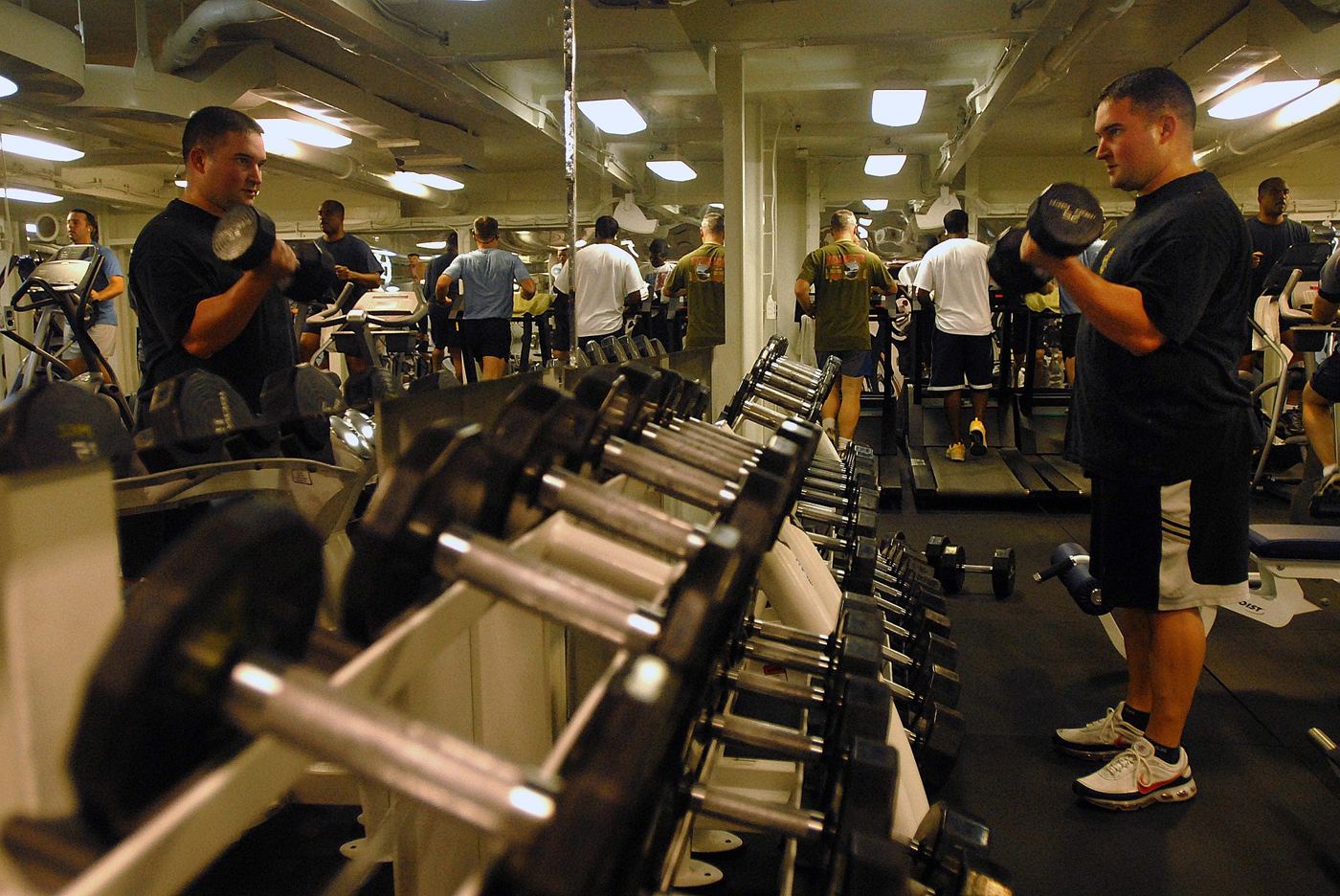
Cardio has long taken the credit for exercise and health, but the evidence for picking up something heavy has become hard to ignore. In large cohort studies, people who do one to two hours of resistance training a week, lifting weights, using bands or doing bodyweight exercises, show notably lower rates of early death, heart disease and diabetes than people who do none, independent of how much aerobic exercise they get. Doctors emphasise that individual advice from a clinician who knows your history comes first. Cost is rarely a barrier here, which makes the evidence unusually relevant to everyone.
Why muscle is a health organ
Muscle is metabolic tissue: it soaks up glucose after meals, supports joints and bones, and releases signalling molecules that calm inflammation. From about age forty, adults lose muscle steadily unless they train it, a process called sarcopenia that eventually decides whether someone can climb stairs, carry shopping or recover from a fall. Grip strength and leg power predict independence in old age better than blood pressure predicts some diseases. Small changes sustained over months outperform dramatic overhauls that collapse within weeks. Reporting and analysis from sources such as World Health Organization track the same trend. Anyone with symptoms that persist should seek assessment rather than self-diagnosing online.
How little is enough
The encouraging finding is how low the effective dose is. Benefits appear with two half-hour sessions a week and level off beyond that, which makes strength work the highest-return exercise habit for busy people. Bodyweight movements at home, squats, press-ups, rows with a band, count fully; gyms are optional. Form matters more than load, and beginners progress fastest with coaching or a structured programme for the first few weeks. Anyone with symptoms that persist should seek assessment rather than self-diagnosing online. As ever, sleep, movement and diet interact, and no single habit works in isolation. You can follow related developments in our health coverage.
Starting safely at any age
Doctors advise a check-up first for people with heart conditions or joint problems, and everyone to expect mild soreness rather than pain. Older adults in trials have doubled their strength within months, disproving the idea that it is ever too late to start. The goal is not a new physique by summer but a body that keeps working for decades: muscle, physiologists say, is the pension fund you build with effort instead of money. As ever, sleep, movement and diet interact, and no single habit works in isolation. Readers following this story can find more background in our continuing coverage, and the picture will sharpen as further data and responses arrive in the weeks ahead.
There is a practical lesson in all of this for readers deciding what to do today. Start with the verified facts, be wary of anyone promising certainty, and prefer reversible steps while the evidence is still developing. Circumstances differ by country, income and personal situation, so general guidance should always be weighed against your own context before you act on it in any significant or lasting way.
