

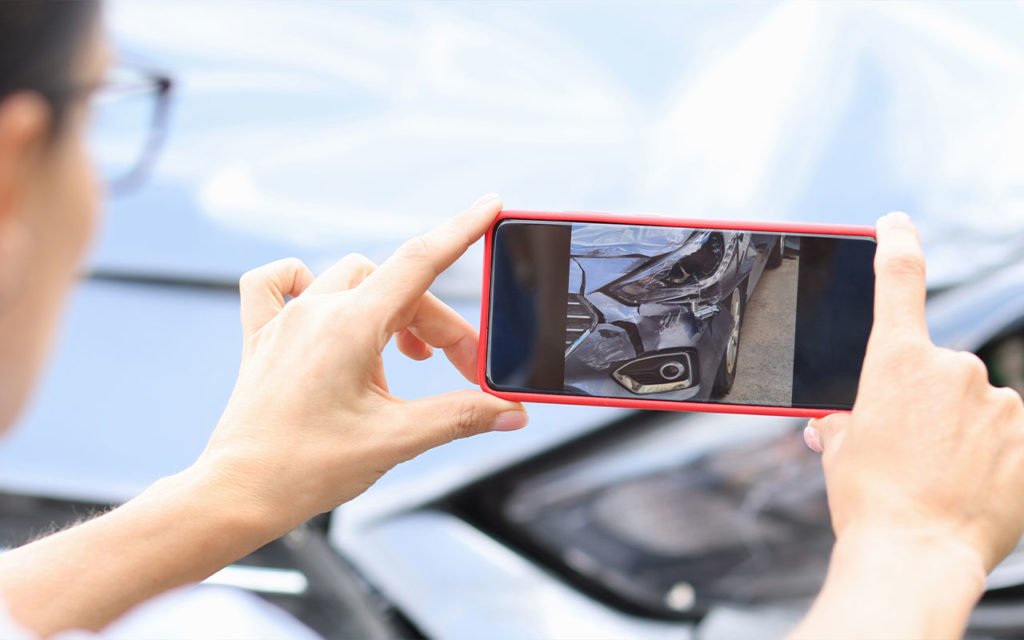
Florida’s busy highways, tourist-filled streets, and sprawling urban areas make it a state with a unique landscape for traffic and personal injury incidents. Accidents can happen in a matter of seconds, and the resulting disputes often involve multiple parties, conflicting accounts, and complex timelines. In a state with such heavy traffic and high vehicle density, having reliable evidence is crucial for establishing the facts. The growth of surveillance cameras, smartphone recordings, and dashboard devices has transformed how incidents are documented, offering a layer of clarity that was previously unavailable. Understanding how this evidence functions within Florida’s legal system is essential for anyone navigating the aftermath of an accident.
Video evidence can play a pivotal role in personal injury claims by providing an objective account of events, clarifying liability, and demonstrating the extent of injuries. It can bridge gaps between conflicting testimonies and streamline communication with insurance providers. This Florida personal injury lawyer can help claimants preserve, analyze, and present recordings effectively, enhancing the credibility and strength of a claim. By leveraging visual proof strategically, injured parties can secure fairer outcomes and gain greater control over the resolution of their case.
The Value of Visual Proof
With video footage, you have a clear record of events as they unfolded. Unlike written statements, video erases ambiguity about what happened. It is important to obtain the recordings before they are lost or overwritten. When jurors and insurance representatives see the actual incident, their decisions are based on impartial evidence.
Bridging Gaps in Testimony
Human memory can be flawed, and the way people see things may vary. Video evidence fills these gaps by providing an unbiased record. It helps clear up any disputes regarding liability and the sequence of events.
Establishing the Sequence of Events
Video footage can provide information about how, when, and where an accident happened. Time-stamped recordings make it easier to establish the sequence of events that led to the crash.
Supporting or Disproving Claims
Entries may corroborate or contradict statements made by the parties involved. Video can set the record straight if someone misconstrued the facts. It helps decision-makers render verdicts based on accurate information.
Demonstrating the Severity of Injuries
The video shows the accident as it happened and its consequences. It helps observers judge the seriousness of the injuries. Often, this evidence can support the information in medical records.
Persuading Insurance Providers
Insurance firms are known for closely evaluating claims before issuing any compensation. Clear footage can help you present a more convincing case. There is less speculation and undeniable proof of the circumstances that led to the crash.
Increasing Settlement Potential
The at-fault party may settle before going to court once they see strong video footage. Legal teams understand the power of visual evidence and may reconsider their approach, which often leads to quicker, better outcomes for the claimant.
Reducing Fraudulent Claims
Some individuals may exaggerate situations or fabricate events for financial gain. Video documentation deters such behavior, as it presents the events in an objective manner. A claim backed by camera footage holds more credibility.
Potential Challenges With Video Proof
For all of its advantages, video is not without its challenges in court. If the quality or angle is subpar, or some parts are missing, it can diminish its value. Legal teams need to ensure your recordings are acceptable.
Technological Advances and Accessibility
The availability of video evidence has grown as security cameras, smartphones, and dashboard devices have become commonplace. This ease of access has changed the way that personal injury claims are supported and opposed.
Collaboration With Legal Professionals
Attorneys often work with experts to review videos and ensure they can be presented in court. Their analysis ensures the footage actually backs up the claim. Then, legal professionals advise claimants on how to use this evidence in their favor.
Conclusion
Video footage captures the incident in an objective manner. It can help resolve disputes and increase the chances of securing a favorable decision. Recorded footage is integral to ensuring injured individuals receive fair compensation for their losses.