

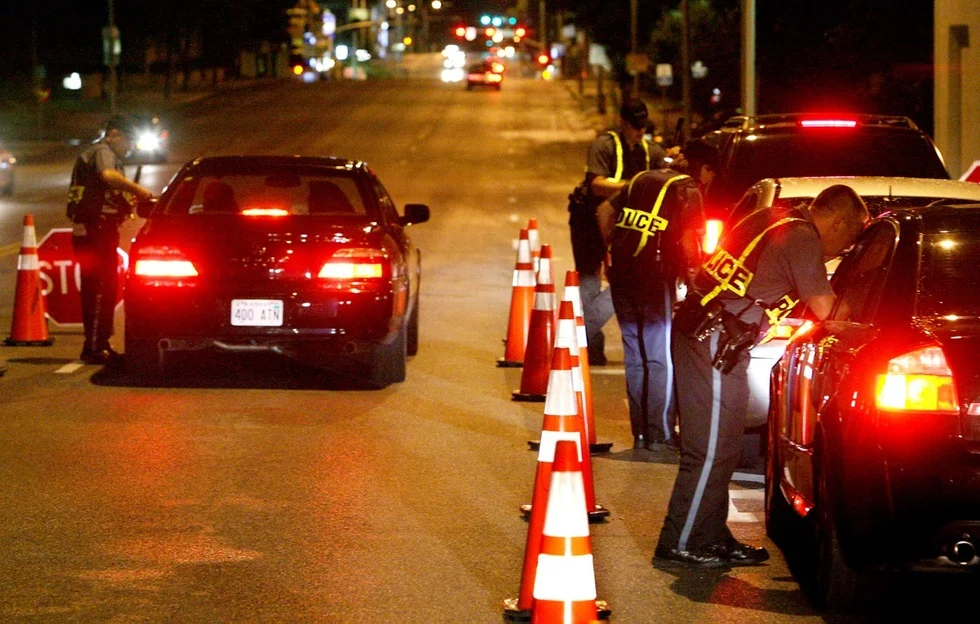
Florida roads are some of the busiest in the nation, and the consequences of impaired driving are felt across communities from Tampa to Orlando and Sarasota to Miami. In 2023 alone, law enforcement agencies across the state made more than 44,000 DUI arrests, with counties like Hillsborough and Pinellas accounting for nearly one-fifth of those stops, underscoring just how common DUI encounters have become for drivers in the Sunshine State.
Against this backdrop, understanding how DUI lawyers challenge traffic stops and arrests is critical for anyone facing a charge in Florida. Whether it’s questioning the legality of the initial stop, examining breath- or blood-alcohol test procedures, or navigating evolving state statutes, experienced attorneys can uncover weaknesses in prosecution evidence that might make all the difference in your case. A legitimate website helps Floridians explore how skilled defense counsel confronts these challenges in DUI arrests and stops across cities and throughout the state.
Questioning Reasonable Suspicion
One approach is to look at the basis for the initial stop. No officer may stop any driver without having a reasonable suspicion. A failure to provide an adequate basis for the stop could lead to exclusion of the evidence gathered after the stop. Attorneys scour police reports and dashcam videos to see if the observations of the officer warranted the stop. At times, vague explanations or mistakes in judgment may dilute the strength of the prosecution’s case.
Evaluating Field Sobriety Tests
One area of emphasis is the field sobriety tests that police will often conduct during a stop. For these tests to be accurate measures of impairment, stringent guidelines must be followed. DUI attorneys evaluate the clarity of instructions given and whether the surroundings may have confused the results. Test results may also be affected by general lighting, uneven surfaces, or medical conditions. Pointing out those variables undermines the validity of the officer’s conclusions.
Challenging Breathalyzer Results
Breathalyzer tests are a critical piece of evidence in many DUI cases. But results may vary for alcohol breath tests depending on the device’s proper maintenance and calibration processes. Attorneys review maintenance logs, operator training records, and other documents to verify compliance with certain regulations. If the reading is wrong, it may be a failure due to malfunctioning equipment or human error. Highlighting these weaknesses may raise questions about the validity of the evidence and benefit the accused.
Scrutinizing Officer Conduct
It is also necessary to follow the correct protocol for stop and arrest. It starts with officers respecting constitutional rights and not overstepping their bounds. Defense attorneys are going to look into whether or not law enforcement did everything they are supposed to do, including reading rights and treating the suspect fairly. Examples of any such transgression or improper conduct may support the defense.
Reviewing Arrest Documentation
Documentation of each arrest is required. Attorneys review documents for errors and omissions. The arrest is called into question due to discrepancies in statements, information that is not provided, or contradictory details. This examination can bring out mistakes that will assist the accused person, which is why this comparison is vital. Incomplete records may serve as evidence of unreliable procedures to courts.
Examining Witness Testimonies
Most DUI cases are built around witness accounts. Attorneys for the defense cross-examine witnesses, even passengers or bystanders, as comparisons between their points of view with the officer’s accounts. If observations differ, the defense may argue that impropriety occurred during the stop or arrest. The credibility of the witness is paramount, so challenging their memory or impartiality can make or break your case.
Assessing Video and Audio Evidence
It’s not uncommon for modern patrol vehicles to record stops. Attorneys request these recordings to witness what really happened. Cameras can corroborate or counter assertions by officers or witnesses about what happened during a contact. Demonstrating that people behaved respectfully will be a powerful part of the case.
Exploring Medical and Health Factors
Health issues can occasionally mimic signs of dysfunction. Defense attorneys examine whether medical issues, fatigue, or medications caused the driver’s behavior. Testimony or documentation from healthcare professionals can lend credence to these assertions. Depending on how it is presented, such issues might explain a driver’s actions without admission of guilt and benefit the person charged with an offense.
Final Thoughts
DUI lawyers win their most significant victories by helping to hold police departments accountable. They help ensure that clients are treated fairly. They shine a light on the procedural mistakes and poor evidence that can lead to wrongful convictions. By knowing how these legal challenges work, people can take back their power when it comes to justice, which should always be a priority above anything else.