

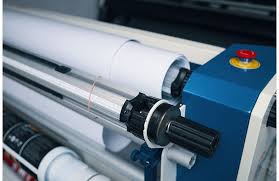
As print and packaging operations continue to evolve to meet industry demands, high-speed production has become the norm. Modern print lines are expected to quickly deliver large output volumes while maintaining strict quality standards, and precision rotary dies play a critical role in ensuring consistent, efficient results. The quality and accuracy of these tools directly impact performance, making them essential for any manufacturer that is focused on maximizing productivity and minimizing waste.
The Demands of High-Speed Print Production
High-speed print lines are designed to operate continuously, often producing thousands of impressions per hour. At this velocity, even the smallest inconsistencies in tooling can lead to significant production issues. Misalignment, uneven cutting pressure, or premature wear can result in defective products, material waste, and costly downtime.
Precision rotary dies are specifically engineered to perform under these demanding conditions. Their ability to maintain tight tolerances ensures that cuts remain accurate, even at very high speeds. This level of precision and consistency is essential for sustaining product quality across long production runs.
Delivering Clean, Consistent Cuts
One of the primary advantages of precision rotary dies is their ability to produce clean, uniform cuts. In applications such as labels, flexible packaging, and folding cartons, edge quality is crucial because poor cutting performance can lead to issues like frayed edges, incomplete cuts, or deformed materials.
Precision rotary dies are designed with exacting specifications, allowing them to deliver sharp, consistent cuts every single time. This not only improves the appearance of the final product but also ensures that components fit and function as intended.
Reducing Downtime and Increasing Efficiency
Downtime is one of the biggest threats to productivity in high-speed print manufacturing. Time spent troubleshooting or frequent tool maintenance and changes all slow down operations and increase costs.
High-quality rotary dies are built to be both reliable and durable. They maintain precise cutting performance over extended production runs, reducing the need for frequent adjustments or replacements. This dependability enables print lines to operate more efficiently with fewer interruptions and greater overall throughput. Additionally, precision rotary dies help to minimize setup time by providing consistent, repeatable performance that keeps operations running smoothly and allows operators to spend less time making modifications.
Minimizing Waste and Protecting Margins
Material waste is another major concern in high-speed printing. Inaccurate cuts or inconsistent tooling performance can lead to excess scrap, which reduces the yield of each production run. Precision rotary dies help address this issue by ensuring accurate, repeatable cuts that maximize material usage. By minimizing waste, manufacturers can lower material costs and improve their overall profitability.
Supporting the Future of High-Speed Printing
As the print industry continues to push for faster, more efficient production, the importance of precision tooling will only increase. High-quality rotary dies that are engineered for accuracy, durability, and consistency are essential for meeting the demands of modern print lines. By investing in precision rotary dies, print manufacturers can improve cut quality, reduce downtime, and maintain the high level of performance required to stay competitive in today’s fast-paced market.