

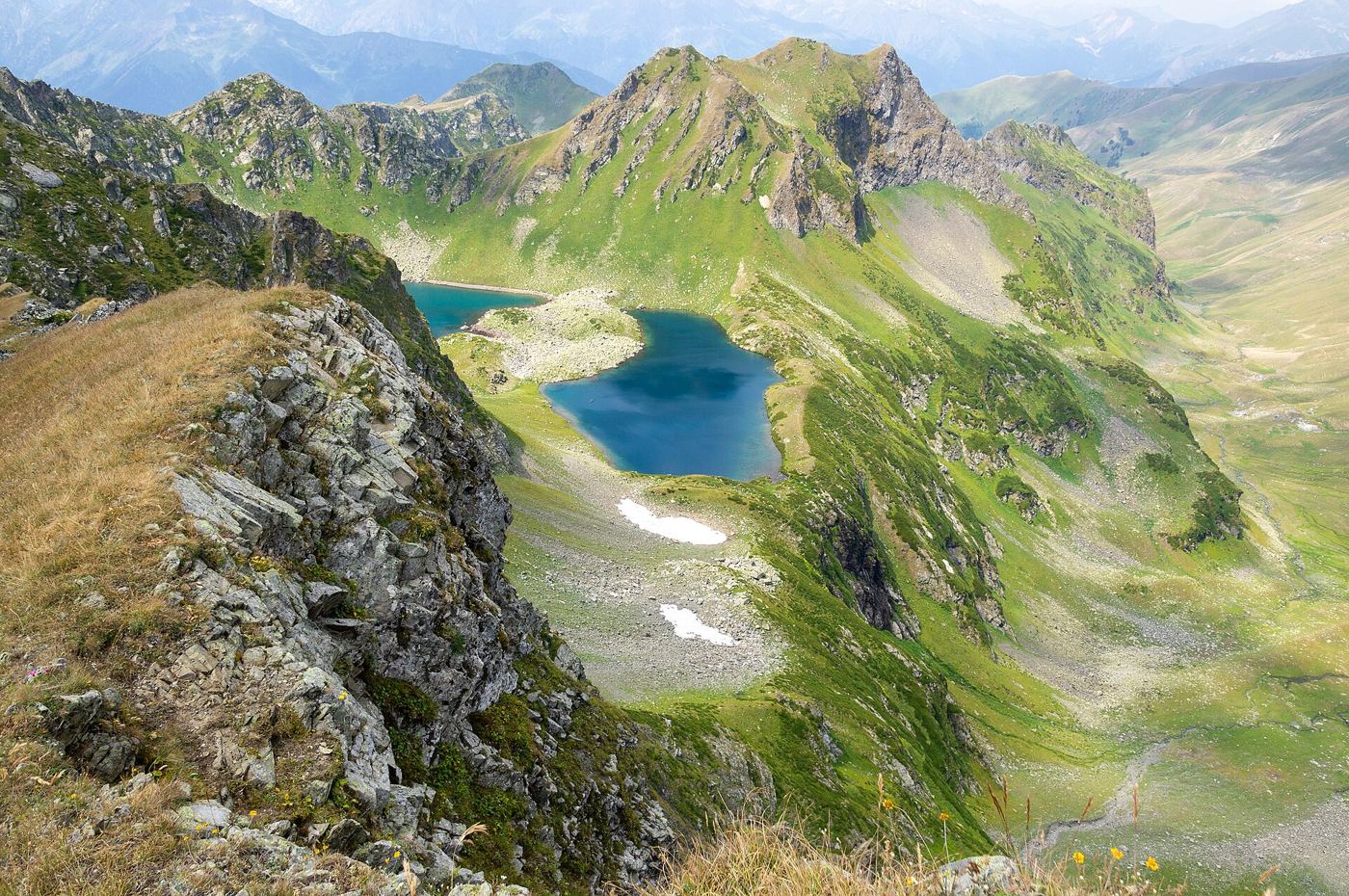
As glaciers retreat up mountain valleys, they are leaving behind a striking new landscape: turquoise lakes where solid ice stood only a few decades ago. The lakes form in hollows carved by the moving ice, filling with meltwater each summer, and their numbers are growing across the Alps, the Himalayas and other mountain ranges. For downstream towns and farms, the lakes are a mixed blessing, offering new water storage and hydropower potential, but also a risk, since a lake held back by loose moraine can burst suddenly and flood the valley below. Tourism is changing too, with hikers drawn to the vivid new lakes while guides warn that the terrain around them can be unstable. Scientists say the lakes are among the most visible signs of how quickly mountain environments are being reshaped by warming temperatures.
What the Evidence Shows
Monitoring the new lakes has become a priority for mountain authorities, who use satellites and drones to track water levels and the stability of the natural dams holding them back. Where the risk is high, engineers have drained lakes in controlled releases or built overflow channels to prevent sudden floods. At the same time, water managers are studying how the lakes could be used to steady supplies, holding meltwater through dry summers when glaciers once released it gradually. Researchers caution that the lakes are temporary features on a longer timescale, growing while glaciers shrink and eventually draining away once the ice is gone. For now, they are both a warning and a resource, and mountain communities are learning to live with them. Local guides add that the lakes are already changing hiking routes, with new viewpoints opening up even as older paths near unstable slopes are closed for safety. Reporting and analysis from sources such as NASA track the same developments, and specialists following the new glacier-fed alpine lakes say the direction is now consistent across independent lines of evidence.
The Wider Context
Funding bodies are watching the new glacier-fed alpine lakes closely because the work sits at the junction of basic curiosity and practical return. Grant panels increasingly ask for a path from discovery to application, while researchers push back that the most valuable uses of fundamental science are rarely the ones written into the original proposal. The tension is productive when both sides stay honest about timescales.
What Happens Next
The long view on the new glacier-fed alpine lakes is that fields advance by accumulation rather than by single announcements. This result adds a solid, checkable piece to a structure many teams are building, and its authors have shared their data so the piece can be tested from every side. That is how the picture eventually becomes reliable enough to act on. You can follow related developments in our coverage of science.
It is also worth remembering how quickly the picture in this area has changed before. Positions that looked settled a few years ago have been revised as new data arrived, and the same humility is appropriate now. The strongest coverage of this subject, and the most useful advice, tends to come from sources that update their views openly when the facts move, rather than defending an earlier position long after it has stopped fitting the evidence available.
