

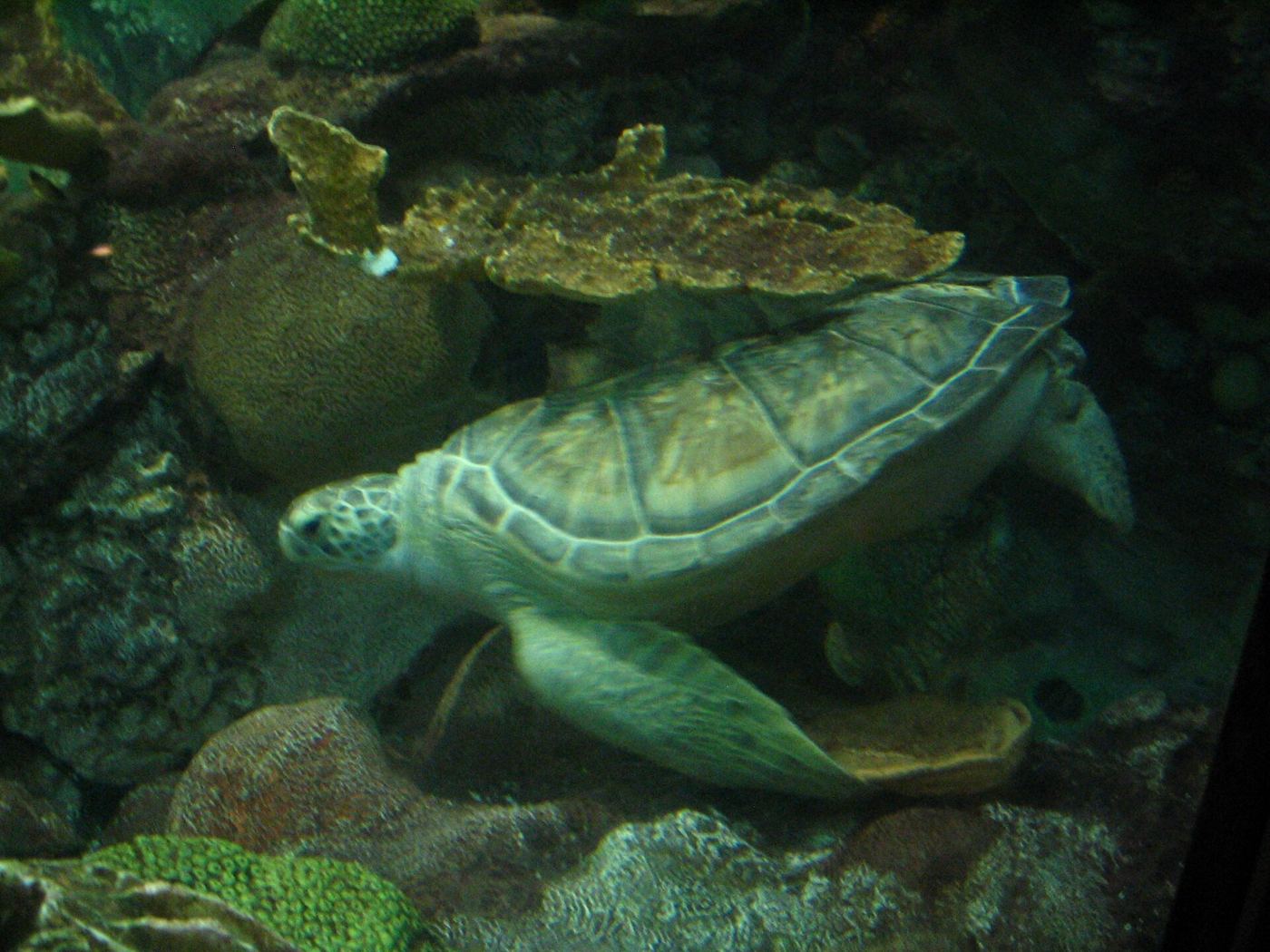
A female sea turtle may spend years crossing entire oceans, feeding in waters thousands of kilometres from land, and yet when it is time to lay her eggs she returns to the very beach where she herself hatched. This homing feat, known as natal philopatry, is one of the great mysteries of animal migration. Turtles have no map and no landmarks on the open sea, so scientists believe they navigate by the Earth’s magnetic field, sensing its strength and angle like a built-in compass. As hatchlings they may imprint on the magnetic signature of their birth beach, and as adults they follow that invisible signature home. Satellite tracking has followed individual turtles on journeys of more than ten thousand kilometres, lasting months, ending on the same stretch of sand where they began life.
What the Evidence Shows
The return journey is only the start of the work. On the beach at night, the female drags herself above the high-tide line, digs a pit with her rear flippers and lays around a hundred soft, leathery eggs before covering them and slipping back to the sea. She never sees her young: about two months later the hatchlings dig out together and scramble toward the waves, guided by the moonlight on the water. Few survive the dash past crabs and birds, and fewer still reach adulthood, but those that do may live for decades and repeat the journey many times. The system depends on beaches staying dark and undisturbed, which is why lights, development and plastic on nesting beaches now threaten turtles that have navigated the oceans for more than a hundred million years. Reporting and analysis from sources such as Nature track the same developments, and specialists following the sea turtles crossing oceans to return to their hatching beach say the direction is now consistent across independent lines of evidence.
The Wider Context
The wider context is a research landscape in which replication and open data now decide reputations. Findings connected to the sea turtles crossing oceans to return to their hatching beach are being checked by independent groups with shared datasets, and the teams involved publish their methods in full so rivals can test every step. That discipline is slower than a headline cycle, but it is why results in this area increasingly survive first contact with scrutiny.
What Happens Next
What happens next in the story of the sea turtles crossing oceans to return to their hatching beach will be decided by follow-up work already under way: larger samples, longer observation and instruments that have not yet come online. The researchers involved are unusually united on one point, that the current results justify the next investment of time and money. Readers will not have to wait long for the first tests of that claim. You can follow related developments in our coverage of science.
None of this will be settled by a single announcement, study or product launch. The pattern to watch is accumulation: independent confirmations, honest reporting of failures and steady improvement in the underlying numbers. Readers who follow those signals, rather than the loudest claim of the week, will understand this subject better than most of the commentary surrounding it suggests is possible.
