
Close Menu
    Facebook X (Twitter) Instagram
    Trending
    • Mini-Brains Grown in Dishes Model Human Disease
    • Ice Cores Preserve Thousands of Years of Climate History
    • Rummy 51 Rules
    • Bottega Desires: Discover a Fresh Approach to Contemporary Clothing
    • Slow Breathing Steadies Heart Rate and Calms the Mind
    • Cities Turn to Rain Gardens and Permeable Pavements to Beat Urban Flooding
    • Scientists Track Debris From the Asteroid Deflection Test
    • Glacier Meltwater Feeds New Alpine Lakes and Changes Mountain Water Supplies
    Facebook X (Twitter) Instagram
    CarmanNews
    • Home
    • Tech
    • News
    • Business
    • Education
    • technology
    • Home Improvement
    CarmanNews
    Home»blog»Mini-Brains Grown in Dishes Model Human Disease
    blog

    Mini-Brains Grown in Dishes Model Human Disease

    Victoria WashingtonBy Victoria WashingtonNovember 15, 2026No Comments3 Mins Read
    Share Facebook Twitter Pinterest Telegram LinkedIn Tumblr Email Copy Link
    Follow Us
    Google News Flipboard
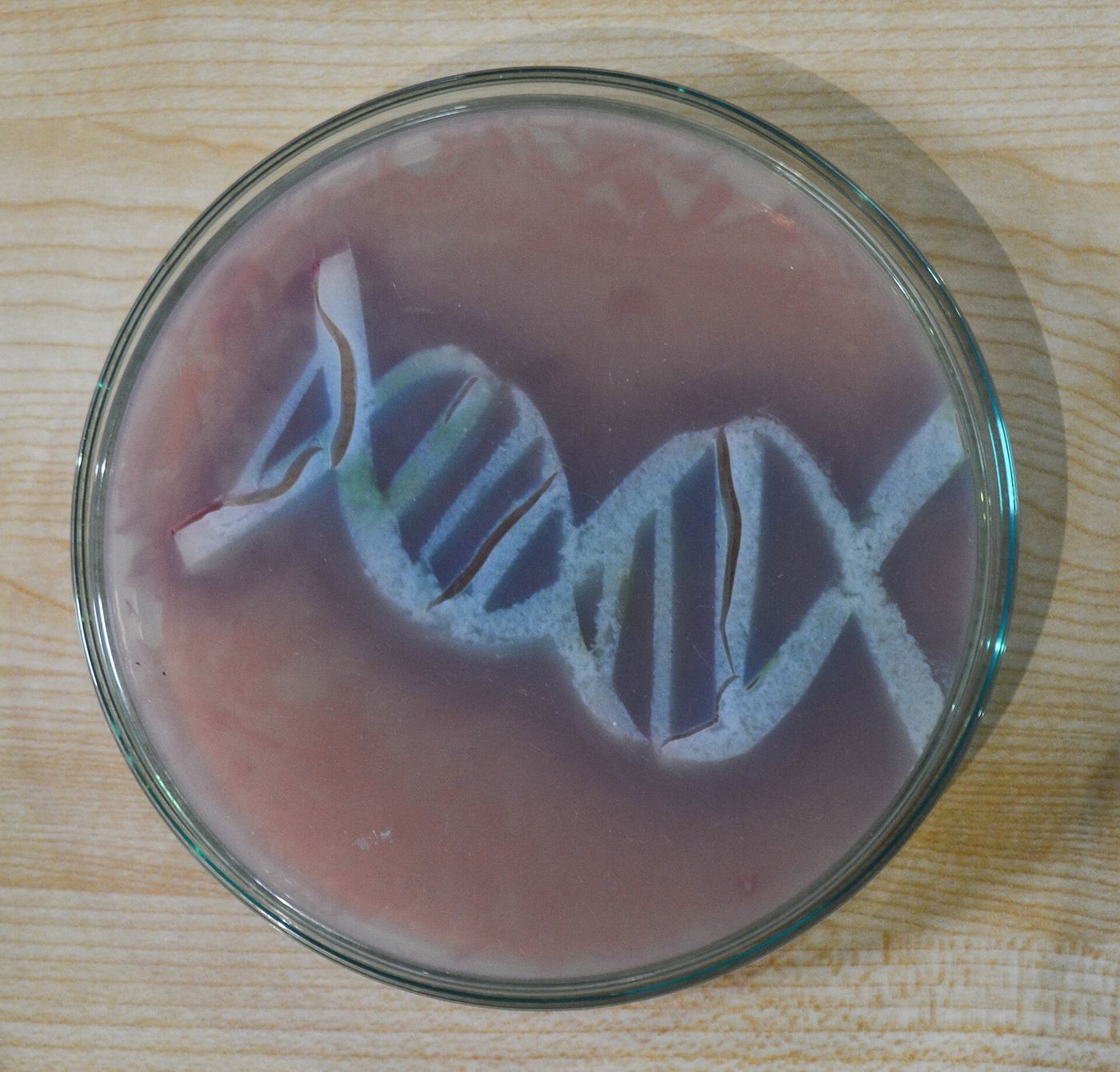
    A scientist examines cell cultures in petri dishes in a laboratory.

    Studying the human brain has always been difficult, because it cannot be observed directly in a living person and animal brains differ from ours in important ways. Brain organoids, often called mini-brains, offer a new way in. Scientists grow them from human stem cells, guiding the cells to form small, three-dimensional clusters that develop the layered structure and cell types found in a real brain. The organoids are tiny, only a few millimetres across, and they do not think or feel, but they do show how brain cells grow, connect and respond to disease. Researchers use them to study conditions such as autism, epilepsy and Alzheimer’s disease, watching how the faulty development unfolds in the dish. Drug developers also test candidate medicines on organoids before trying them in people, looking for effects that would be missed in simpler cell cultures. The clusters even develop electrical activity that resembles the rhythms of a developing brain, though on a far smaller scale.

    What the Evidence Shows

    The models are still far from a real brain. An organoid has no blood vessels, no immune system and no connection to the rest of the body, so it cannot show how a disease affects a whole person. Scientists are working to add these missing parts, growing organoids alongside blood vessel cells and immune cells to make the models more realistic. There are also ethical questions, since some researchers worry about how far the models should be allowed to develop, and guidelines are being written to set clear limits. Even with those limits, the organoids have already changed how brain disease is studied, letting scientists watch human brain tissue develop and fail in real time. Researchers say the models will not replace clinical trials, but they can make those trials smarter by testing ideas first in the dish. Reporting and analysis from sources such as NASA track the same developments, and specialists following the laboratory-grown mini-brains say the direction is now consistent across independent lines of evidence.

    The Wider Context

    Funding bodies are watching the laboratory-grown mini-brains closely because the work sits at the junction of basic curiosity and practical return. Grant panels increasingly ask for a path from discovery to application, while researchers push back that the most valuable uses of fundamental science are rarely the ones written into the original proposal. The tension is productive when both sides stay honest about timescales.

    What Happens Next

    The long view on the laboratory-grown mini-brains is that fields advance by accumulation rather than by single announcements. This result adds a solid, checkable piece to a structure many teams are building, and its authors have shared their data so the piece can be tested from every side. That is how the picture eventually becomes reliable enough to act on. You can follow related developments in our coverage of science.

    It is also worth remembering how quickly the picture in this area has changed before. Positions that looked settled a few years ago have been revised as new data arrived, and the same humility is appropriate now. The strongest coverage of this subject, and the most useful advice, tends to come from sources that update their views openly when the facts move, rather than defending an earlier position long after it has stopped fitting the evidence available.

    brain organoids disease research neuroscience
    Follow on Google News Follow on Flipboard
    Share. Facebook Twitter Pinterest LinkedIn Tumblr Email Copy Link
    Previous ArticleIce Cores Preserve Thousands of Years of Climate History
    Victoria Washington

    Related Posts

    Ice Cores Preserve Thousands of Years of Climate History

    November 15, 2026

    Rummy 51 Rules

    November 14, 2026

    Bottega Desires: Discover a Fresh Approach to Contemporary Clothing

    November 14, 2026
    Leave A Reply Cancel Reply

    Search
    Recent Posts

    Curiosity Walks Encourage Walkers To Notice One New Thing Daily

    A Screen-Free Final Hour Helps the Mind Unwind Before Sleep

    Asking One Follow Up Question Changes How Heard People Feel

    Diversity on the Plate: Why Varied Vegetables Support Gut Health

    Remote Observatories Let Astronomers Work Under Distant Dark Skies

    Online casino australia real money easy withdrawal: Withdrawal Times, Payment Checks & Key Facts

    Facebook X (Twitter) Pinterest Vimeo WhatsApp TikTok Instagram

    About Us

    CarmanNews delivers latest updates, breaking stories, trending headlines, exclusive reports, global events, local coverage,

    real-time insights, trusted coverage, in-depth analysis, nonstop reporting, reliable sources, fast alerts, current developments. #CarmanNews

    Popular Posts

    Curiosity Walks Encourage Walkers To Notice One New Thing Daily

    A Screen-Free Final Hour Helps the Mind Unwind Before Sleep

    Asking One Follow Up Question Changes How Heard People Feel

    Contact Us

    CarmanNews values your input and questions. Got a news tip, ad inquiry, or need assistance? Don’t hesitate to get in touch with us.

    Email: contact.@outreachmedia.io
    Phone: +92 3055631208
    Facebook: Outreach Media
    Address: 2298 Wescam Court

    สล็อตวอเลท | แทงบอลออนไลน์ | บาคาร่า | สล็อตเว็บตรง | แทงบอลออนไลน์ | หวยออนไลน์ | เว็บแทงบอล | สล็อต | สล็อต | สล็อต | สล็อตเว็บตรง | สล็อต | สล็อตเว็บตรง | สล็อตออนไลน์ | ufa222 ทางเข้า | แทงบอล | Jun88 | Caliente Casino  | สล็อตเว็บตรง | UFABET | ยูฟ่าเบท | f8bet | บาคาร่า | สมัคร ufabet | บ้านผลบอล |สมัคร ufabet

    Copyright © 2026 | All Right Reserved | CarmanNews

    • About Us
    • Contact Us
    • Disclaimer
    • Privacy Policy
    • Terms and Conditions
    • Write For Us
    • Sitemap

    Type above and press Enter to search. Press Esc to cancel.

    WhatsApp us