

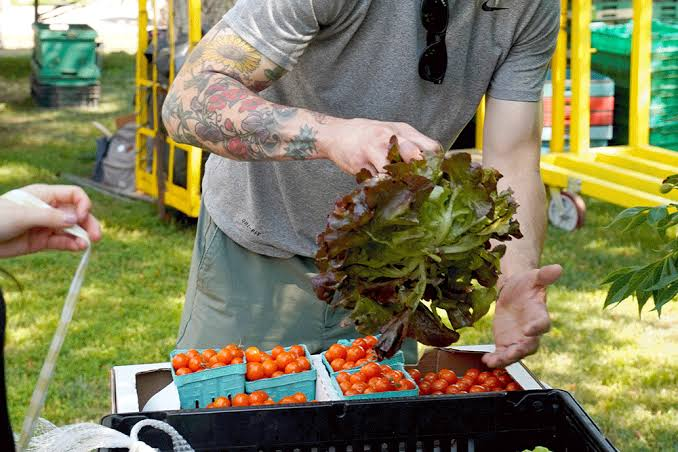
When you’re planning an event, food is rarely just another item on the checklist. It can influence the atmosphere, give guests something to talk about and leave a lasting impression long after the event has finished.
One way to make event catering more thoughtful is to pay attention to where the ingredients come from.
Local ingredients can bring freshness and seasonality to a menu while creating stronger connections between the food on the plate and the region where the event takes place. They can also form part of a wider approach to more responsible catering, particularly when combined with sensible sourcing, lower-waste practices and seasonal menu planning.
For event organisers, choosing a caterer that understands these principles can make the food feel more purposeful without sacrificing creativity or quality.
What Does “Local Ingredients” Actually Mean?
Local sourcing generally means obtaining food from producers and suppliers located relatively close to where the food is being prepared or served.
There isn’t one universal definition of “local.” The distance can vary depending on the ingredient, supplier network and location of the event.
For an event in London, local or regional sourcing might involve working with British farms, growers, producers, fisheries and specialist suppliers rather than relying entirely on ingredients transported long distances.
It’s also worth remembering that local doesn’t automatically mean sustainable. The two ideas overlap, but they aren’t identical. A genuinely responsible catering approach considers factors such as seasonality, production methods, transportation, packaging and food waste.
Freshness Can Make a Difference
One of the most obvious reasons to consider local ingredients is freshness.
Produce that’s in season and sourced through shorter supply chains can spend less time in transit before reaching the kitchen. For caterers, that can create more opportunities to work with ingredients when they’re naturally at their best.
This is particularly useful for event menus built around fresh vegetables, fruit, herbs and other seasonal produce.
Instead of forcing the same menu throughout the year, caterers can adapt dishes according to what’s available.
That approach can make an event menu feel more connected to the time of year.
Seasonality Creates More Interesting Menus
Seasonal food can also give caterers more creative freedom.
A summer event might feature fresh salads, vegetables, berries and lighter dishes, while an autumn menu can make greater use of root vegetables, squash, apples and other seasonal ingredients.
For event organisers, this means menus can change naturally throughout the year rather than relying on exactly the same dishes for every occasion.
Seasonality can also become part of the event’s story. A countryside wedding, for example, may benefit from a menu that reflects the surrounding landscape, while a London corporate event could showcase seasonal British produce in a contemporary way.
Local Sourcing Can Support Producers
Choosing locally sourced ingredients can help create demand for regional farms, growers, producers and other food businesses.
For event catering, this can be particularly meaningful when a caterer has established relationships with trusted suppliers.
Rather than viewing ingredients simply as commodities, sourcing becomes part of a broader food network.
For guests, that can add another layer to the dining experience. A menu can communicate not only what they’re eating, but something about where those ingredients came from.
It Can Strengthen a Caterer’s Sustainability Strategy
Sustainability in catering involves much more than simply buying local.
However, local and responsible sourcing can be one component of a wider strategy.
Other considerations include:
- Choosing seasonal ingredients
- Reducing unnecessary food waste
- Using reusable equipment where possible
- Limiting excessive packaging
- Selecting responsible suppliers
- Considering sustainable seafood
- Planning portions carefully
- Donating or redistributing suitable surplus food where possible
This broader approach matters because the environmental impact of an event comes from many different parts of the catering process.
Goosebox: Sustainable Catering With Provenance in Mind
For event organisers in London, Goosebox provides an example of a catering company putting sourcing and sustainability into its wider service.
Goosebox offers workplace, corporate, wedding and event catering across London, with bespoke menus built around seasonal ingredients. The company says it prioritises responsibly sourced local ingredients, low-waste practices and eco-conscious packaging.
Its approach also extends to sustainable sourcing, with Goosebox highlighting seasonal, organic and fair-trade ingredients where appropriate, alongside certified sustainable seafood and relationships with trusted suppliers.
That matters because sustainable event catering isn’t simply about replacing one ingredient with another. It’s about considering the entire process, from sourcing and preparation to presentation, delivery and waste.
For an organiser planning a corporate gathering, wedding or private event, choosing a caterer with these considerations built into its operation can make it easier to create a menu that’s both appealing and more responsible.
Local Food Gives Events a Sense of Place
Food can tell guests something about where they are.
This is particularly valuable for destination events and celebrations where visitors may be unfamiliar with the area.
A menu using regional ingredients can introduce guests to local flavours and producers. Even in a large city such as London, where ingredients arrive from around the world, incorporating British and regional produce can give an event a stronger sense of place.
It’s a subtle detail, but one that can make the dining experience more memorable.
It Can Help Build a Seasonal Menu
Rather than beginning with a fixed list of dishes and searching for ingredients to match, caterers can work in the opposite direction.
Start with what’s available, then build the menu around it.
This can result in more flexible and inventive catering.
For example, a caterer might design a spring menu around fresh vegetables and herbs, create a summer menu featuring vibrant produce, then move towards warmer, more substantial dishes as autumn and winter arrive.
For event planners, this can also make the menu feel timely and appropriate to the occasion.
Don’t Assume Local Means More Expensive
The cost of event catering depends on many factors, including the number of guests, menu complexity, staffing, service style and ingredients.
Local sourcing doesn’t automatically make a menu more expensive.
In some cases, using seasonal ingredients can actually give caterers more flexibility when planning menus around what’s readily available.
The important thing is to discuss the budget early and ask the caterer how sourcing choices affect the proposed menu.
A good catering company should be able to recommend options that work within the event’s budget while still maintaining quality.
Ask Your Caterer About Sourcing
If local and sustainable food matters to you, don’t be afraid to ask specific questions before booking.
You could ask:
Where do your ingredients come from?
This gives you an idea of how much emphasis the caterer places on local or regional suppliers.
How do you work with seasonal produce?
A caterer that genuinely works seasonally should be able to explain how menus change throughout the year.
How do you reduce food waste?
This is an important question because food waste can be a major part of event catering.
What happens to excess food?
Ask whether suitable surplus is redistributed, donated or handled through another responsible process.
What packaging do you use?
For delivered catering, packaging can form a significant part of the event’s environmental footprint.
Can the menu be adapted?
A flexible menu makes it easier to use ingredients that are available locally and seasonally.
Local Doesn’t Mean Limiting
Some people assume that choosing local ingredients means sacrificing variety.
In reality, local sourcing doesn’t mean every ingredient has to come from within a tiny radius.
Modern event menus can combine regional produce with carefully selected ingredients from further afield.
The goal is thoughtful sourcing rather than imposing an arbitrary rule on every ingredient.
For example, a London caterer can showcase British seasonal vegetables while still incorporating ingredients from other culinary traditions when they add something meaningful to the dish.
This balance is particularly important for events where guests expect creativity and variety.
The Guest Experience Comes First
Sustainability should enhance an event rather than become a distraction from it.
Guests still want food that tastes good, looks appealing and suits the occasion.
The best sustainable catering makes responsible choices feel natural. Seasonal produce becomes an attractive dish. Local ingredients become part of the menu’s story. Reduced waste happens behind the scenes without affecting the guest experience.
That’s where thoughtful event catering can make a real difference.
Final Thoughts
Local ingredients matter in event catering because they can bring together several important elements: freshness, seasonality, provenance, sustainability and a stronger connection to place.
They can also give caterers more inspiration when designing menus and provide event organisers with an opportunity to make food part of the occasion’s wider story.
Ultimately, choosing local ingredients isn’t about following a trend. It’s about understanding where food comes from and making considered choices about what ends up on the table.
When those choices are combined with good cooking, thoughtful presentation and reliable service, sustainable event catering can be every bit as enjoyable as it is responsible.
