

Logistics has always been about knowing what is happening before it becomes a problem. That used to mean checking a position report and hoping the gaps told you nothing important. But cargo conditions shift fast, timelines are tighter, and the cost of a delayed response keeps climbing. Teams still waiting on periodic updates are finding out the hard way that knowing where something is and knowing what is happening to it are genuinely different things.
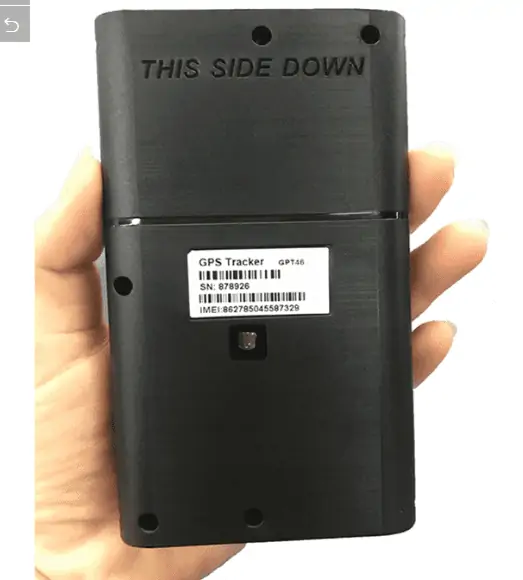
A container tracking device provides logistics teams with the real-time alert capability that closes that gap. Condition-based monitoring means your team knows the moment a temperature threshold is crossed, a door opens during a sealed leg, or a unit loses signal mid-route. That is operational awareness working the way it should, immediately and accurately, not hours after the fact when the options to respond have already narrowed.
From Waiting on Updates to Acting on Intelligence
What Passive Tracking Actually Costs You: Periodic location pings have their place in audit trails and route records. The problem is that a position log does not flag a developing situation. It records what has already happened. By the time a delayed update surfaces something worth acting on, the window to intervene has usually closed. That quiet lag between event and awareness is where cargo losses build, slowly and consistently.
The Shift That Changes Everything: When your system moves from location-only updates to real-time alerts, the rhythm of your team’s work changes noticeably. Responses happen while situations are still manageable. Rerouting decisions get made early. Driver communication sharpens. Teams describe it the same way once they have been on both sides: less bracing for surprises, more actually managing what comes up. That shift is hard to overstate once you have felt it.
The Alerting Architecture That Actually Works
Condition-Based Signals Give Context Coordinates Cannot: A container sitting in exactly the right location can still be developing a serious problem inside. Environmental sensors capturing humidity, shock, temperature, and door status give managers a layer of insight that a coordinated approach alone can provide. Tracking where cargo is matters, sure, but understanding what is actually happening to it while it moves, that is the part that protects what is inside.
Configurable Thresholds That Match Your Cargo: Not every shipment carries the same risk profile. Alert systems that treat all cargo identically tend to generate noise rather than clarity, and noise gets ignored. Cold-chain pharmaceutical loads require tighter thresholds than general freight. That distinction matters when your team is deciding which alerts to trust. Calibration to route type and cargo category is what separates a useful alert system from one that gets switched off.
What Instant Response Looks Like in Practice: When a tamper event or temperature exceedance triggers an alert the moment it occurs, your team has options. Reroute, contact the driver, notify the client, and escalate to a contingency plan. Those options exist because the alert arrived in time. That compresses the risk window to something actually manageable, which is exactly what a well-configured alert system is supposed to deliver every single time.
What Gets Protected When Alerts Arrive in Real Time
Cargo Integrity Depends on More Than Arrival Time: A shipment that lands on schedule but is damaged has still failed. That is not just a technical issue; it is also a client relationship problem. Temperature-sensitive goods and high-value consignments require conditions to be maintained throughout the entire transit leg. Real-time alerts make that continuous protection possible. They catch deviations early, before the damage has time to compound into something that cannot be explained away at delivery.
Risk Exposure Shrinks With Every Alert Received: Cargo theft, seal breaches, handling incidents outside normal parameters, they all move fast once they start. Every hour your team goes without an alert is an hour where something could be quietly getting worse. That gap adds up in ways that show up in insurance claims, client escalations, and retention conversations nobody enjoys. Real-time alerts cut that exposure down significantly, and the difference becomes visible quickly.
Alert Criteria That Match Real Operational Needs: Different shipments, different thresholds. The alert types that make the biggest difference include:
- Temperature deviation alerts with timestamps and duration data, usable for compliance documentation and client reporting without extra steps.
- Door sensor triggers during sealed transit windows, so any access outside expected handling periods is flagged immediately and logged automatically.
- Shock and vibration events tied to handling incidents that may indicate mishandling or route conditions warrant review before the next leg.
- Signal loss notifications that surface coverage gaps early, giving teams time to investigate before a delivery appointment makes the gap impossible to ignore.
How Eelink Devices Make This Work at Scale
Hardware Built for the Conditions That Matter: Eelink’s container tracking devices transmit real-time condition alerts alongside location data across varied environments and transit types. Tamper detection, temperature thresholds, power interruption alerts, and shock event logging are all handled natively by the hardware. These are built for operational conditions where accuracy and response speed must both hold up, not just on good days but consistently.
Fitting Into Existing Operations Without the Overhaul: One thing that holds logistics teams back from active monitoring is the assumption that it means rebuilding everything. It does not. Eelink’s devices integrate with existing fleet management systems, so the transition stays practical. Alert sensitivity adjusts per route, per cargo category, per client profile. Mixed fleets and varied cargo types are exactly the kind of complexity these devices handle without sacrificing configuration clarity.
Alert Intelligence That Grows With You: Ten containers or several hundred, the core problem is the same. Your team needs to know the moment something changes. Not when the next scheduled update rolls in, not at the end of the shift. Right when it happens. That is the standard real-time alert systems are built to meet, and it scales without losing the responsiveness that makes it worth having in the first place.
The Operation That Stops Reacting and Starts Responding
Real-time alerts are not a feature upgrade. They represent a fundamental change in how logistics risk is managed, how quickly teams move, and how much damage is stopped before clients feel it. The window between an event occurring and your team knowing about it is where cargo outcomes are actually decided. Explore container tracking solutions built around instant, condition-based alerts, and discover what your operation looks like when it is always one step ahead of each shipment’s next need.