

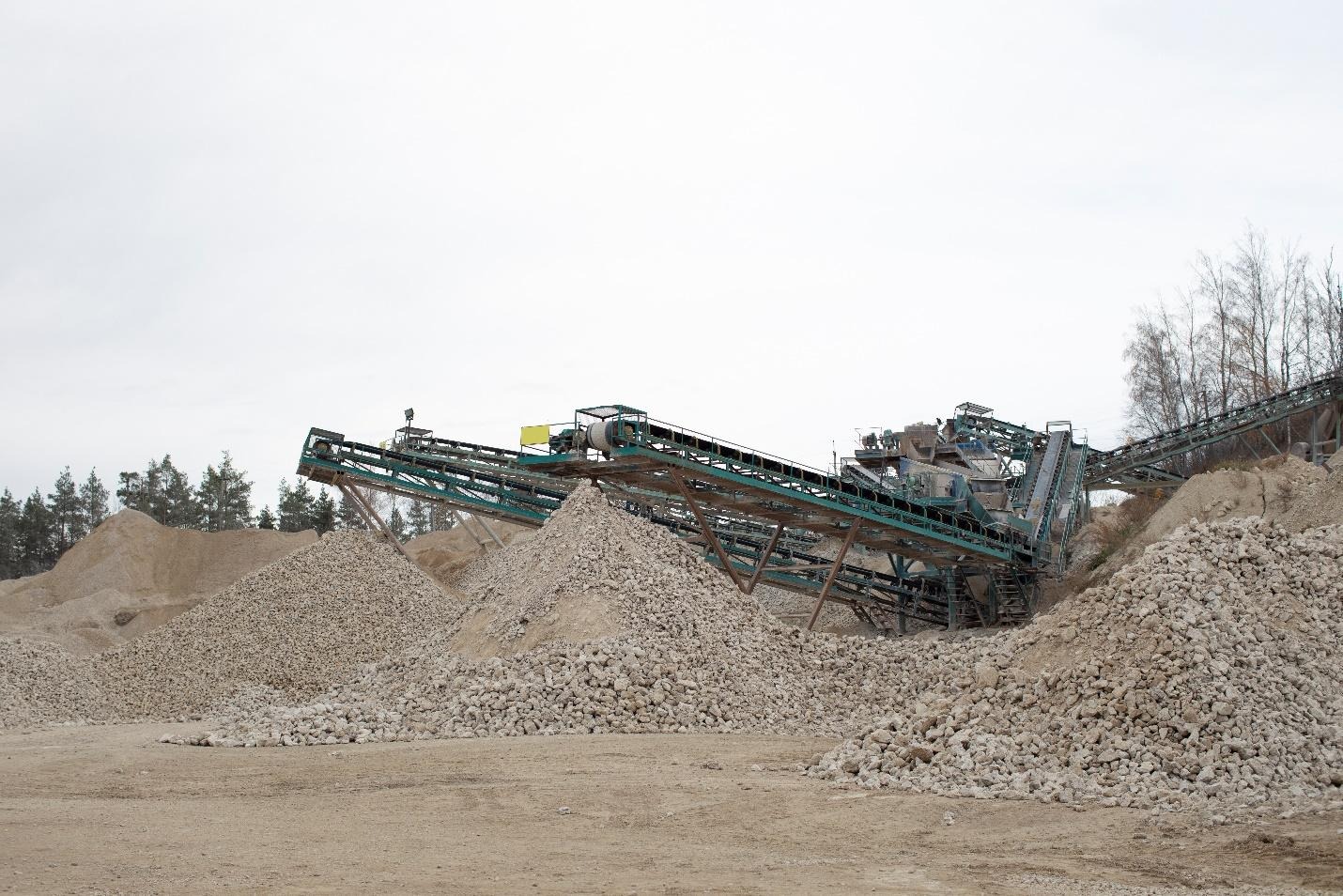
The construction industry in Australia has huge potential, with 176,000 new homes built between June 2023 and June 2024. This major volume of construction can lead to issues like dust pollution and environmental issues. The dust from the construction sites can contain airborne particles and expose the construction workers and people living nearby to these volatile compounds. But what can be considered as hazardous dust in the construction sites? Let’s find out.
Understanding Dust in Australian Construction Zones
From an Australian perspective, a major root of dust pollution during construction includes excavation, loading and unloading, demolition activities, and preparation of the raw materials.
Types of Dust Particles Found in Australia
Different types of dust are typically found in construction sites, including wood, silica particles, and concrete dust. Besides this, respirable crystalline silica (RCS) dust is also considered a hazardous substance that can spread from construction sites in Australia.
Activities and Materials that Create Dust
- Raw materials and the vehicles moving on unpaved land can release too much dust.
- Excavation works, such as digging, drilling, and earthworks, can release fine particles into the air.
- Handling bulk materials can also lead to dust release in the environment.
- Demolition of existing structures can release dust induced from concrete and brick.
Health Risks Caused by Dust Release in the Environment
Airborne dust can impose serious risks on human health. Dust particles, which are smaller than 10 μm in size, are typically inhaled by people exposed to the dusty environment of construction sites. These particles often get trapped in the nose, mouth, and upper respiratory tract. Therefore, respiratory issues like asthma, tracheitis, pneumonia, and rhinitis can be experienced.
This is why dust monitoring is important in every construction site, to reduce the scope of health risks caused by dust contaminants.
Best Practice 1: Conducting Baseline and Ongoing Assessments
One of the best dust monitoring practices is to conduct a land condition assessment to determine whether there are contaminants present underneath the surface.
In this regard, pre-construction risk assessment becomes an integral part of the risk assessment. Under the regulations of Work Health and Safety, pre-construction assessment is important to identify the potentially hazardous areas where dust can be generated most.
From the Australian construction perspective, RCS are considered the most hazardous particles. Therefore, construction projects need to conduct monitoring for RCS and other types of dust monitoring.
Best Practice 2: Adopting Real-Time Monitoring Systems
Implementing a real-time dust monitoring system in a construction site where dust can be generated at an increased rate is itself a challenge.
Real-time monitoring enables the project leaders to provide immediate feedback. If the dust level goes beyond the danger level, the safety of the on-site people must be protected. If a proactive approach is taken, there must be a prompt intervention that should be imposed to control the amount of contamination.
Here are some tools that are used to track dust levels in construction projects in real-time:
- An IoT-enabled fixed-site Konometer will help in effective dust monitoring.
- Dust Deposition Gauge and high-volume air samplers.
- Optical air-quality sensors that can sense and analyze the dust particles present in the dust.
Best Practice 3: Applying Dust Suppression
Choosing the most effective dust suppression strategies mainly depends on the conditions of the construction sites. Here are some dust suppression methods that actually work:
- Water Spraying and Misting: Frequently spray water on the dust sources to prevent the dust from going airborne.
- Chemical Dust Suppressants: These chemical agents help bind dust particles and prevent them from spreading in the air.
- Vegetation barriers: Planting trees and shrubs can help as a natural barrier to dust. As a result, it cannot disperse through the wind.
Best Practice 4: Training and PPE Compliance for Workers
Under the Work Health and Safety regulations, it is mandatory to provide training to workers who are working in areas exposed to silica dust. PPE kits, including head protectors, P2 respirators, and other protective gear shields, should be properly fit-tested for the workers.
Employer responsibilities include ensuring that proper PPE is provided to the workers and providing training to the workers. Furthermore, it is also the responsibility of the construction project owners to conduct frequent dust monitoring to assess the hazardous particles in the air.
Best Practice 5: Record-Keeping and Compliance Reporting
Record-keeping through proper monitoring helps with regulatory compliance. Compliance reporting enables transparency and accountability. This is how you can ensure proper record-keeping for dust monitoring:
- You have to frequently record and document dust monitoring data.
- Develop comprehensive monitoring logs and control measures.
- Keeping track to communicate with all stakeholders.
Here is a comprehensive Dust Monitoring Compliance Checklist for Australian Construction Sites
Pre-Construction Phase | 1. Conducting Risk assessment (Including the assessment regarding RCS). |
| 2. Review the applicable WHS Regulations. | |
| 3. Identify sensitive zones (Schools and hospitals). | |
| 4. Baseline air quality assessment. | |
Monitoring & Controls During Construction | 1. Installing real-time dust monitors. |
| 2. Setting thresholds. | |
| 3. Use the right dust suppression methods. | |
| 4. Use the right dust barriers or enclosures in high-activity areas. | |
| Worker Health & Safety | 1. Providing the right protective gear to the workers. |
| 2. Delivering dust hazard training to the construction workers. | |
| 3. Health monitoring for workers. | |
Reporting & Compliance | 1. Maintaining monitoring logs and records. |
| 2. Reporting the dust data to the local councils. | |
| 3. Monitoring the reports. | |
Post-Construction Phase | 1. Final assessment of air quality checks. |
| 2. Document all monitoring results. | |
| 3. Provide feedback. |
Table 1: Dust Monitoring Checklist
Wrapping Up
With proper dust control in the construction projects, the protection of health, safety and legal compliance is restored. In this blog, we have discussed the best practices while doing dust monitoring, which will help the project owners in the Australian construction industry to remain aligned with the compliance of Safe Work Australia, ensuring the safety of workers and the community.
Hire Professionals to Conduct Site Assessments Before Starting Construction Projects!
Starting construction projects in Australia? Partner with a professional site assessment company to check the land and air quality to avoid regulatory and environmental compliance.
