

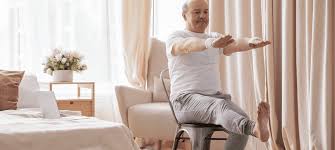
Falls are common, but they are not inevitable. The most effective fall‑prevention plans combine a few targeted home improvements with smart daily habits. When you remove tripping hazards, improve lighting, and add the right supports in high‑risk spots, you reduce risk and gain confidence moving through your day. Evidence‑based checklists from national health agencies show that many of the biggest wins can be accomplished in a weekend with basic tools and a short shopping list.
Start With Lighting And Clear Pathways
Good light and an unobstructed path are the fastest ways to lower risk. Replace burnt‑out bulbs, choose bright, non‑glare LEDs for hallways and stairs, and add nightlights from the bed to the bathroom so your route is visible even when you first wake up. Motion‑activated plug‑in lights can help illuminate stairwells and long hallways without fumbling for switches. Then, clear walkways of cords, clutter, and low furniture that catches toes. If you keep rugs, secure them with non‑slip backing or tape. These are among the top fixes recommended by national home checklists for older adults.
Make Bathrooms And Stairs Work For You
Bathrooms and stairs account for many preventable slips. Add non‑skid mats or adhesive strips inside showers and tubs. Install grab bars beside the toilet and both inside and outside the tub or shower. On stairs, confirm there are sturdy handrails on both sides, ensure steps are even, and add high‑contrast, non‑slip treads if surfaces are slick. Place light switches at the top and bottom of stairways, and keep bulbs fresh. These practical upgrades align with long‑standing fall‑prevention guidance and can dramatically improve stability where it matters most.
Organize For Balance: Kitchen, Bedroom, And Entryways
Small layout changes remove daily friction. Keep frequently used items between waist and shoulder height so you are not climbing or bending deeply. In the bedroom, keep a lamp within easy reach, use a sturdy chair for dressing, and place a nightlight on the route to the bathroom. At entryways, repair uneven walkways, add bright exterior lighting, and consider handrails or a grab point near the door for balance while locking and unlocking. These room‑by‑room adjustments are simple, low‑cost, and strongly supported by national fall‑prevention resources.
Support Your Senses And Your Stride
Vision, hearing, and footwear influence balance more than most people realize. Schedule an annual dilated eye exam to keep prescriptions current and address cataracts or glaucoma early. Choose sturdy, well‑fitting, non‑slip shoes for indoor and outdoor use. Avoid wearing sunglasses indoors and be cautious with bifocals on stairs, where depth perception can be affected. Good lighting pairs with good vision, so brighten dim corners and hallways. These steps, along with a quick review of medications that may cause dizziness, reduce risk and make daily movement feel steadier.
Borrow What Works From Senior Living
Well‑run senior communities hardwire many of these principles into everyday life. For example, Addington Place of Clinton in Clinton, Iowa offers assisted living and memory care along with supportive services such as restaurant‑style dining, scheduled activities, weekly housekeeping, and transportation. Purpose‑built common areas, on‑site staff, and accessible apartment layouts can simplify safe routines while keeping life social and engaging. If you are comparing options or taking inspiration for home upgrades, look for features like well‑lit corridors, non‑slip flooring, handrails where you naturally reach, and easy‑to‑navigate outdoor paths.
Your Weekend Fall‑Proofing Checklist
Use this quick list to make meaningful progress in a few hours. Each item reflects widely cited national guidance.
- Replace dim bulbs with bright, non‑glare LEDs and install nightlights along your bed‑to‑bath path.
- Remove or secure throw rugs; tape down cords; clear walkways and stairs.
- Add non‑skid strips in the tub or shower, and install grab bars near the toilet and bathing areas.
- Ensure handrails on both sides of stairways; add high‑contrast treads; place switches at top and bottom of stairs.
- Reorganize kitchen shelves so everyday items are between waist and shoulder height; use a sturdy step stool with a handhold if one is truly needed.
- Schedule a dilated eye exam; review medications with a clinician; choose supportive, non‑slip shoes.
If you want a deeper dive, the National Council on Aging offers concise home‑modification tips that emphasize lighting, clutter control, grab bars, and storing essentials within easy reach. Their materials underscore how a few low‑cost fixes can deliver outsized safety benefits.
When To Call in Reinforcements
A professional eye can spot hazards you may overlook. Consider a home safety assessment from an occupational or physical therapist, especially if you have experienced a fall, feel unsteady, or have new dizziness. Therapists can tailor exercises for strength and balance and recommend modifications that fit your space and budget. Local aging‑services organizations often offer assessments, caregiver classes, or evidence‑based workshops that combine education with practical training.
Conclusion
Fall‑proofing is not about turning your home into a clinic. It is about removing needless hazards, adding a few well‑placed supports, and setting up routines that help you move confidently. Start with light, clear the path, secure the bathroom and stairs, and keep essentials within easy reach. With small fixes guided by proven checklists, you can make everyday life safer and feel more at ease wherever you live.