

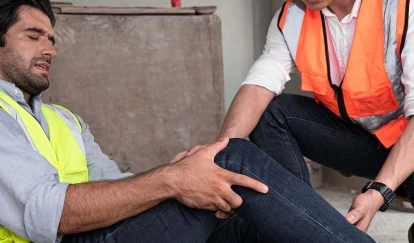
In Chicago, industry has long shaped the city’s identity, from major construction projects and transportation hubs to hospitals, warehouses, and corporate offices. With so many people working in physically demanding and fast-paced environments, on-the-job injuries remain a serious concern for employees and their families. Illinois law provides avenues for recovery, but obtaining fair compensation often depends on clearly establishing who is legally responsible and why. That process involves far more than pointing to an accident.
It requires a strategic approach to proving liability through evidence, expert analysis, and careful legal argument. For injured workers seeking accountability, understanding how attorneys build these cases can offer clarity during a difficult time. A Chicago workplace injury lawyer evaluates workplace practices, investigates contributing factors, and connects the facts to the legal standards required to pursue meaningful compensation and long-term financial protection.
Gathering and Analyzing Evidence
Evidence forms the foundation of successful claims. First, the attorneys gather the incident reports, witness interviews, and photographs of the accident site. Additionally, they also gather medical reports to precisely address causation, i.e., link the injuries to the workplace accident. Even better, if there is any surveillance video, everyone knows exactly what took place.
Interviewing Witnesses and Coworkers
Witness statements from co-workers and other nearby witnesses often explain exactly what immediately preceded an accident. Attorneys conduct hours-long, detailed interviews to gather information about workplace conditions and any previous safety concerns raised. Discussions often highlight past negligence or repeated dangers and show that management did nothing to fix them. Statements from witnesses present lend context and bolster the case of the victim.
Consulting Expert Witnesses
Often, attorneys utilize experts to support their conclusions. Safety experts examine operations to see if they are at par with industry standards. Doctors talk about injury severities and the conditions in which they may occur at work. Occasionally, engineers reconstruct the accident to demonstrate potential preventive measures. Expert opinions are crucial in supporting your issue, as they not only enhance your credibility but also assist judges and juries in understanding intricate technical details.
Establishing Causation and Fault
It is not enough to just show that an accident took place to prove liability. Lawyers need to relate what the employer did or did not do to the injury. They show how certain failures, like broken machinery or neglected maintenance, directly resulted in the event. Legal representatives will establish a clear distinction between the actions or inactions of the employer and the resulting pain experienced by the individual, thereby building a compelling case for compensation.
Addressing Possible Defenses
If an employee sustains an injury at work, their employer may even try to avoid liability by arguing that the employee was the cause of the accident. Attorneys anticipate these defenses and compile evidence to counter such claims. They demonstrate poor clarity in safety policies, a lack of training, and compliance with procedures from the injured worker. Foreseeing these arguments enables a lawyer to use them as a counter during negotiations or at a trial.
Complying With Legal Procedures
The legal system requires adherence to its rules and deadlines. Lawyers will file claims on time and also submit paperwork in an accurate manner. They also help the injured workers in carrying out the medical examinations and speak with the insurance representatives. Careful attention to detail avoids unnecessary procedures and protects the rights of those seeking compensation.
Negotiating Settlements or Going to Trial
Most workplace accident cases settle through negotiations. Lawyers fight for their clients to receive fair settlements that include coverage for medical expenses, lost wages, and future care. When negotiations break down, they are ready for trial, presenting evidence and examining witnesses in front of a judge or jury. The more they prepare and fight for the client, the better the chances of a good outcome.
Conclusion
Establishing liability in cases where an employee is injured on the job is not simply a matter of stating facts. Lawyers utilize a blend of legal knowledge, investigation skills, and expert assistance to obtain justice for injured workers. Additionally, they also focus on setting up accountability and making workplaces safer for all. Genuine legal assistance can significantly benefit those who sustain workplace injuries.