

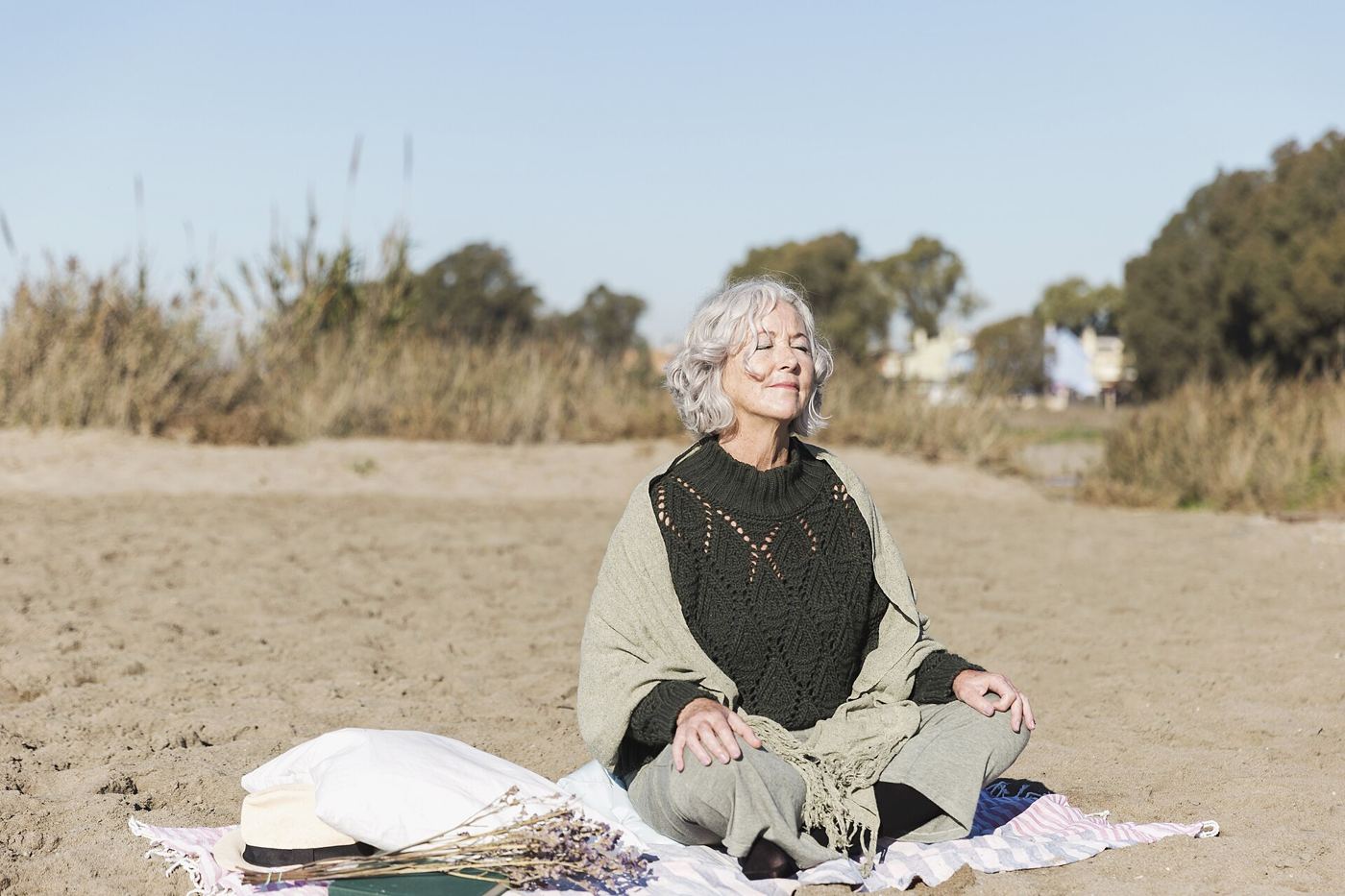
Breathing is automatic, yet the way we breathe changes how the body feels. Slow, deliberate breathing, with a long exhale, activates the part of the nervous system that calms the heart, lowers blood pressure and eases tension. Physiologists have measured the effect in laboratories, watching heart rate fall and heart rate variability rise as volunteers slow their breathing to a steady rhythm. The change is not only physical. People who practise slow breathing report feeling calmer and more focused, and brain scans show reduced activity in regions linked to anxiety and threat. The technique has been used for centuries in meditation and yoga, but only recently have researchers mapped exactly what happens inside the body when breathing slows. The technique needs no equipment, no special setting and no prior training, which is part of its appeal. The findings suggest that the breath is a direct lever on the nervous system, one that anyone can use at any moment.
What the Evidence Shows
Doctors and therapists are putting the research into practice in clinics, classrooms and workplaces. Slow breathing exercises are now part of treatment for anxiety, high blood pressure and insomnia, often taught in a few minutes and practised at home. Studies comparing breathing exercises with other relaxation methods find that the benefits are modest but reliable, and that they build with regular practice rather than a single session. Researchers are also studying why the technique works better for some people than others, looking at differences in lung capacity, fitness and stress levels. The guidance is simple: breathe in through the nose, exhale slowly through the mouth, and keep the rhythm comfortable rather than forcing it. Scientists caution that breathing exercises are not a substitute for medical treatment where it is needed. Even so, they say the evidence supports a simple conclusion, that a few minutes of slow breathing is one of the most accessible ways to steady both body and mind. Reporting and analysis from sources such as Nature track the same developments, and specialists following the calming slow breathing say the direction is now consistent across independent lines of evidence.
The Wider Context
The wider context is a research landscape in which replication and open data now decide reputations. Findings connected to the calming slow breathing are being checked by independent groups with shared datasets, and the teams involved publish their methods in full so rivals can test every step. That discipline is slower than a headline cycle, but it is why results in this area increasingly survive first contact with scrutiny.
What Happens Next
What happens next in the story of the calming slow breathing will be decided by follow-up work already under way: larger samples, longer observation and instruments that have not yet come online. The researchers involved are unusually united on one point, that the current results justify the next investment of time and money. Readers will not have to wait long for the first tests of that claim. You can follow related developments in our coverage of science.
None of this will be settled by a single announcement, study or product launch. The pattern to watch is accumulation: independent confirmations, honest reporting of failures and steady improvement in the underlying numbers. Readers who follow those signals, rather than the loudest claim of the week, will understand this subject better than most of the commentary surrounding it suggests is possible.
