

Water in a basement is one of those problems that homeowners instinctively want to solve as quickly as possible, and that instinct, while understandable, is one of the main reasons basement waterproofing projects sometimes deliver disappointing results. The fastest path to a dry basement is not always the shortest one. Effective waterproofing begins with an accurate diagnosis of where the water is coming from and how it is getting in, because different sources require fundamentally different solutions.
For homeowners in the GTA dealing with moisture issues, connecting with experienced waterproofing contractors in Toronto GTA who take the time to diagnose before recommending is the distinction that separates effective remediation from expensive guesswork. This post explains the main categories of basement water infiltration and what each one typically requires to resolve.
Surface Water: The Most Preventable Source
A significant proportion of basement water problems originate at grade level or above it, not from groundwater pressure against the foundation. Downspouts that discharge too close to the foundation, negative grading that directs surface runoff toward the house rather than away from it, window wells without adequate drainage, and paved surfaces that concentrate water at the building perimeter are all common contributors.
These sources are worth identifying and addressing before any significant waterproofing investment is made, because correcting grading and drainage at grade level can eliminate or substantially reduce infiltration without any below-grade work at all. A contractor who recommends an interior drainage system without first assessing whether surface water management could address the problem is not approaching the diagnosis in the most thorough way.
Hydrostatic Pressure: The Persistent Underground Force
In Toronto’s clay-heavy soils, hydrostatic pressure is a significant driver of basement water infiltration. Clay soils retain water rather than allowing it to drain, and during wet periods or snowmelt, the water table rises and exerts pressure against foundation walls and floor slabs. This pressure is not intermittent. It is sustained for as long as saturated conditions exist, and it will find any weakness in the foundation envelope to exploit.
Addressing hydrostatic pressure requires either intercepting and redirecting groundwater before it reaches the foundation, which is the goal of exterior waterproofing and drainage systems, or managing it after it has been admitted through the wall, which is the approach of interior drainage and sump pump systems. Neither approach is universally superior. The right choice depends on the specific conditions of the site, the age and condition of the foundation, and the access available for excavation.
Foundation Cracks: The Entry Points
Poured concrete and block foundations develop cracks over time through a combination of curing shrinkage, thermal cycling, settlement, and hydrostatic pressure. Not all cracks are equal in their significance or in the waterproofing approach they require. Hairline shrinkage cracks are common and typically manageable through injection repair. Structural cracks, particularly those that are diagonal, stepped in block foundations, or showing differential movement between sides, may indicate foundation movement that needs to be addressed before waterproofing can be effective.
Attempting to seal a crack that is actively moving is an exercise in short-term thinking because the sealant will follow the movement and reopen. A thorough assessment determines whether a crack is stable or active before specifying a repair approach, and whether crack repair alone is sufficient or whether broader system-level interventions are needed.
Interior vs. Exterior Waterproofing: The Real Tradeoffs
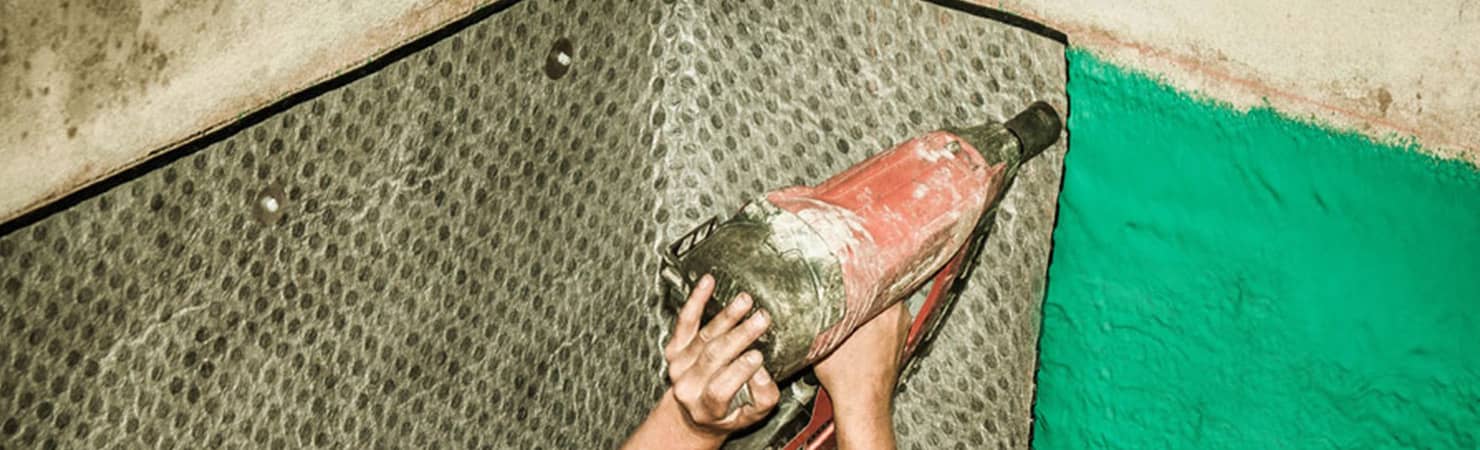
Exterior waterproofing addresses the problem at its source by excavating to the footing, applying waterproof membrane systems to the foundation wall, and installing drainage board and weeping tile to redirect water away from the structure. It is the most comprehensive solution and is typically the preferred approach for new construction. For existing buildings, the excavation required is disruptive and costly, which means it is most justified when the exterior envelope is significantly compromised or when foundation repairs are needed simultaneously.
Interior drainage systems, installed below the basement slab with sump pits and pumps, do not stop water from entering the wall. They intercept it at the floor-wall junction and direct it to a collection point before it can pond on the floor or cause damage. This approach is less disruptive and less expensive than exterior work, and in many cases it is entirely effective at keeping the basement dry in use. The limitation is that it does not stop the moisture cycling through the wall, which can affect wall durability over time.
Choosing a Contractor Who Diagnoses First
The most reliable indicator that a waterproofing contractor is approaching your problem correctly is that they spend meaningful time on diagnosis before presenting a solution. They walk the perimeter. They assess grading and drainage. They inspect the interior wall surfaces and floor for patterns in the moisture. They ask about the history of the problem, when it occurs, how often, and whether it has changed over time.
A contractor who arrives, glances at the basement, and immediately recommends their standard system is not necessarily wrong, but they have not demonstrated that their recommendation is based on your specific situation. Given the cost and invasiveness of basement waterproofing work, that diagnostic thoroughness is worth seeking out and insisting on.