

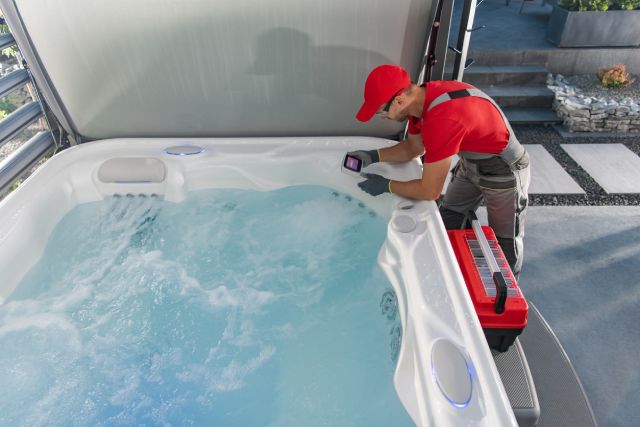
Owning a hot tub can provide relaxation and stress relief, but keeping it in top condition requires consistent attention. Regular maintenance ensures clean water, reliable performance, and a longer lifespan for your spa. With a few simple habits, you can prevent most common issues before they arise.
Maintaining Water Quality
Clean, balanced water is at the heart of every enjoyable soak. Testing the water regularly helps maintain proper chemical levels and prevents buildup or irritation. A balanced pH level keeps the system efficient and protects the components from corrosion or scale formation.
To achieve this balance, test strips or digital testers can measure chlorine, bromine, alkalinity, and hardness. Adjusting with the right chemicals after each use or every few days keeps the experience pleasant and safe for all users. Regularly rinsing filters also helps maintain clear water.
Cleaning and Draining Schedule
Even with proper water chemistry, a hot tub requires periodic deep cleaning. Draining and refilling every few months removes unseen residue and refreshes the system. Before refilling, wipe down the interior surfaces with a mild, non-abrasive cleaner to remove oils and buildup.
Filters should be soaked in a specialized solution monthly to maintain water flow and prevent clogging. If the filter material becomes worn or discolored, replacing it ensures the circulation system continues to operate efficiently.
Protecting the Cover and Exterior
The cover plays a key role in maintaining water temperature and keeping debris out. Wiping it down with a gentle cleaner prevents mildew and cracking. Conditioning the vinyl surface occasionally can protect it from sun damage and extend its life.
Inspecting the exterior panels for dirt or signs of wear keeps the spa looking its best. Gentle cleaning with warm water and a soft cloth helps maintain the finish while preventing long-term material degradation.
Temperature and Energy Management
Managing temperature settings wisely reduces energy use without sacrificing comfort. Maintaining a consistent temperature avoids strain on the heating element. During extended periods of non-use, lowering the temperature slightly can conserve power while still protecting the internal components from freezing.
Insulating the hot tubs and ensuring a proper seal on the cover also minimizes heat loss. These simple measures can have a noticeable impact on monthly energy costs and equipment longevity.
Monitoring Equipment and Components
Circulation pumps, jets, and heaters all benefit from periodic inspection. Listening for unusual sounds or changes in water flow can alert you to potential issues early. Tightening connections and checking for leaks help prevent costly repairs later.
It is also wise to monitor electrical components and ensure that ground-fault protection devices are functioning properly. Routine checks can prevent safety hazards and support reliable operation year-round.
Seasonal Considerations
Seasonal changes can affect how a spa performs. In warmer months, increased use may require more frequent water testing and cleaning. During colder weather, insulating accessories can help maintain water temperature efficiently.
When preparing for extended downtime, draining the tub completely and ensuring no residual water remains in pipes prevents freezing damage. Proper preparation ensures an easy restart when the next season begins.
